
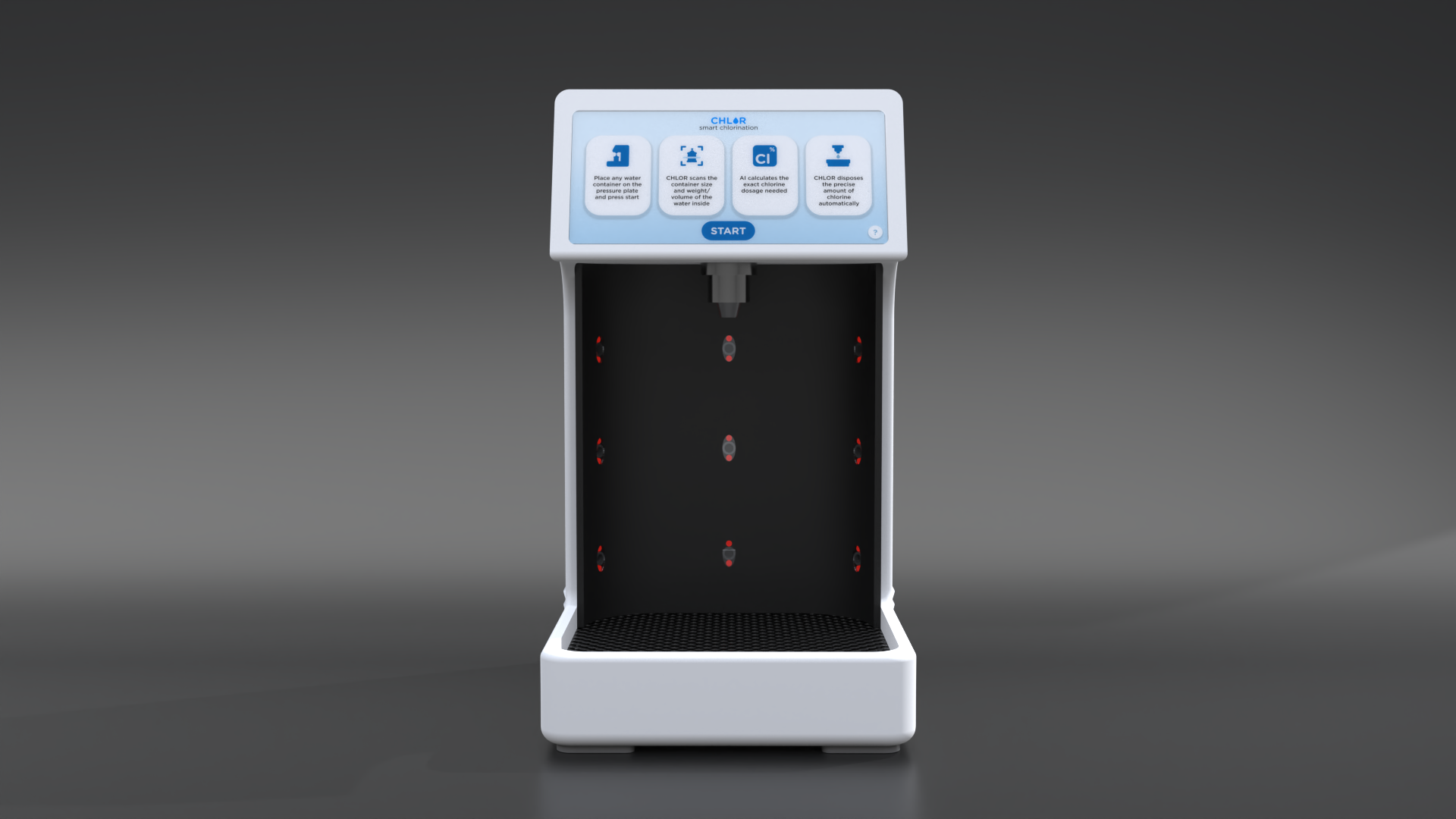

Smart Chlorination for Displaced Communities
Designing adaptive water treatment for refugee camps and informal settlements
How can AI and emerging technologies be leveraged to design adaptive solutions that address the complex, everyday challenges faced in resource-constrained and transitional environments?Spring 2026 - project in progress, come back to see the progress!
— project overview
One in four people worldwide lack access to clean water. In refugee camps, access to clean water is more than just a technical problem. It is a systemic, political, and a human one. This project explores how AI-assisted design and new technologies can bridge the gap between short-term aid and long-term usability.
Drawing from research on WASH (Water, Sanitation, and Hygiene) systems, humanitarian design critique, and real-world case studies, I am designing a smart chlorine dispensing system that adapts to real-life conditions in refugee camps.
— context
Key Observations and analysis:
In this demonstration, a volunteer instructs users to add a “capful of chlorine to 20 liters of water.”
This method reveals a critical flaw:
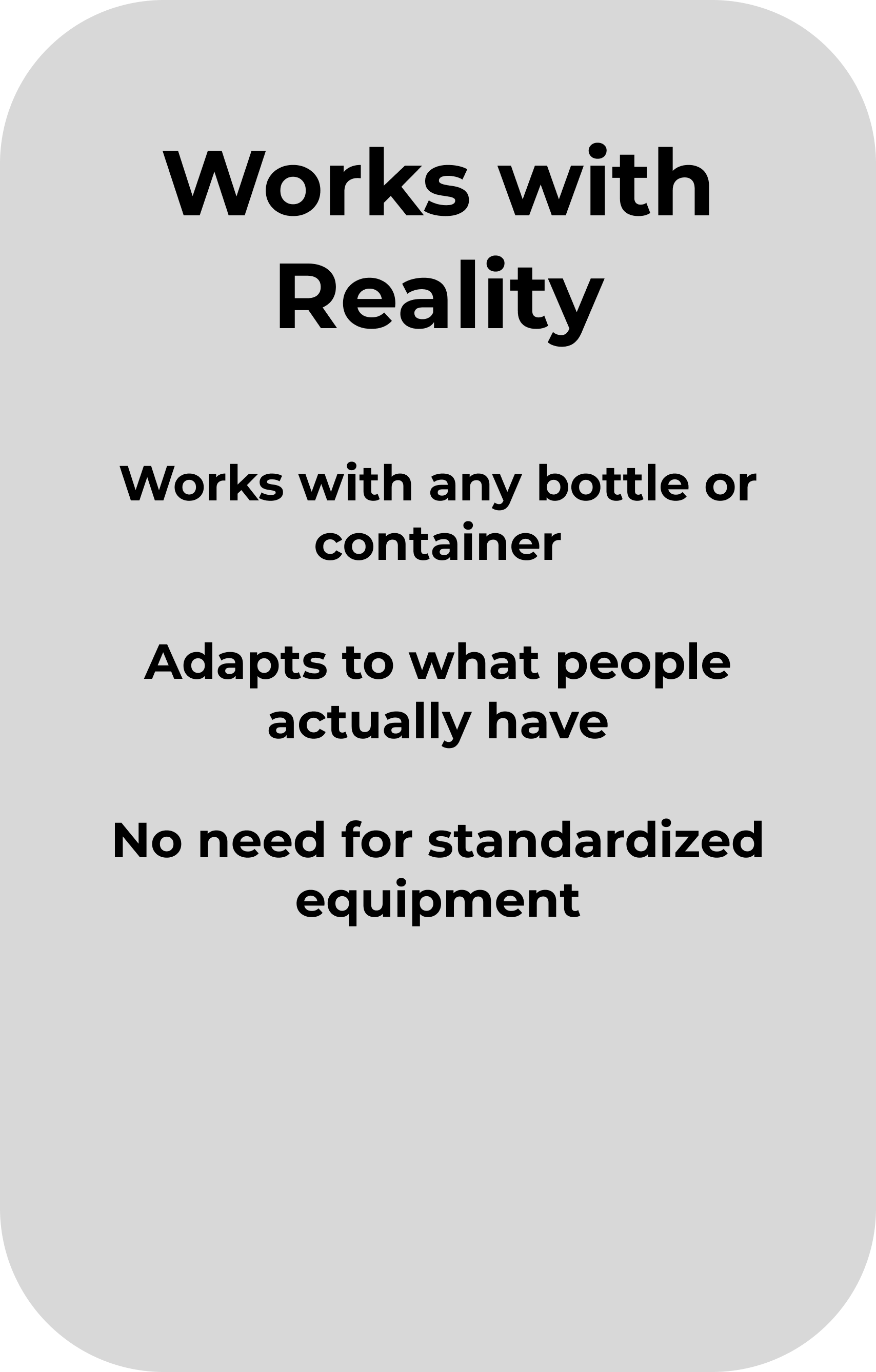
It assumes standardized containers (20L)
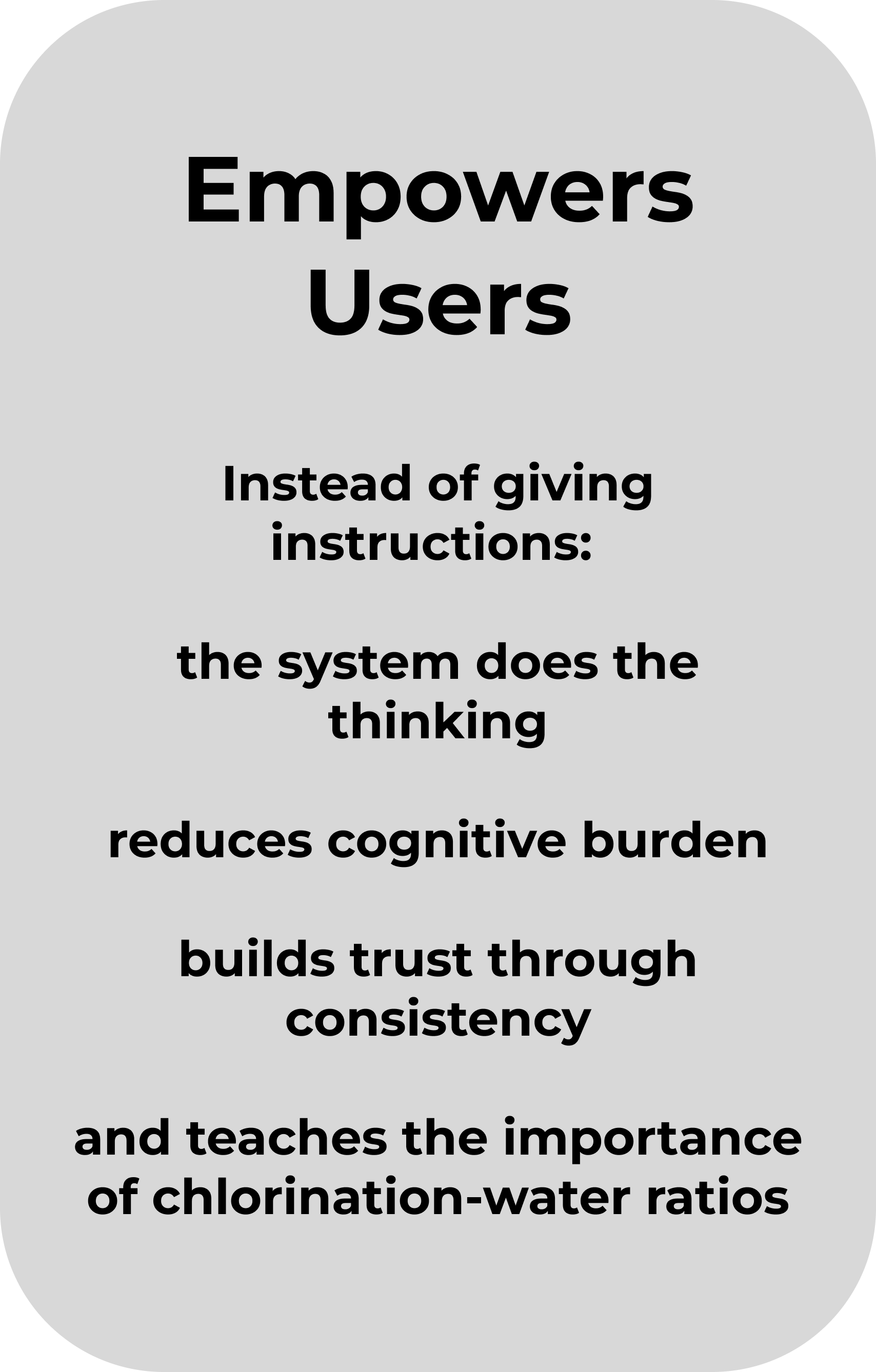
It lacks explanation of why dosage matters
It fails when users have different container sizes
Supply of chlorine is uncertain, inconsistent, and bottle sizes are small and finite
A 10L container would be over-chlorinated, while a 30L container would remain unsafe.
The current water chlorination system relies on perfect measurement, ignores real-world variability, and provides instructions, not understanding.
— the problem
Unsafe Water Systems
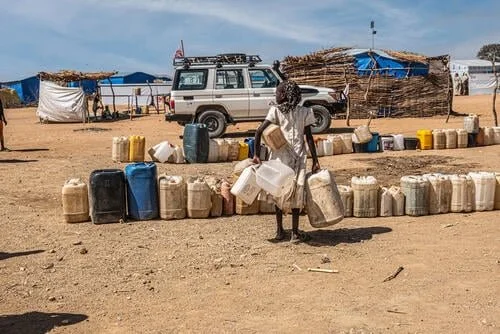
Refugee camps face extreme water contamination due to:
Overflowing latrines, Poor infrastructure, and High population density
These conditions lead to Cholera, E. coli, and hepatitis outbreak.
“Temporary” Solutions that Become Permanent
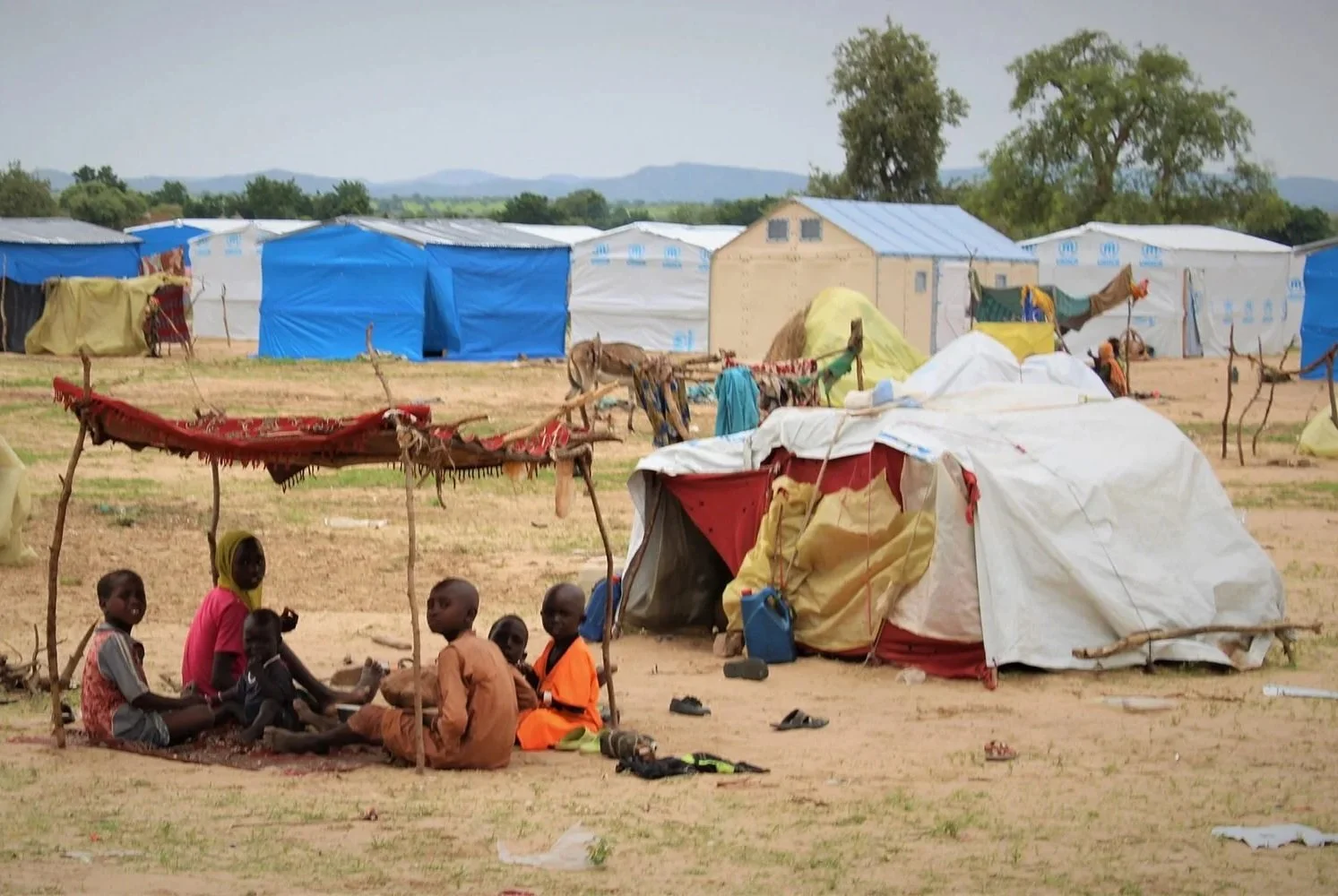
Camps last ~17 years on average
Infrastructure is intentionally limited to avoid permanence
Systems like chlorine tablets and buckets become long-term “solutions”
One-Size-Fits-All Design Failure
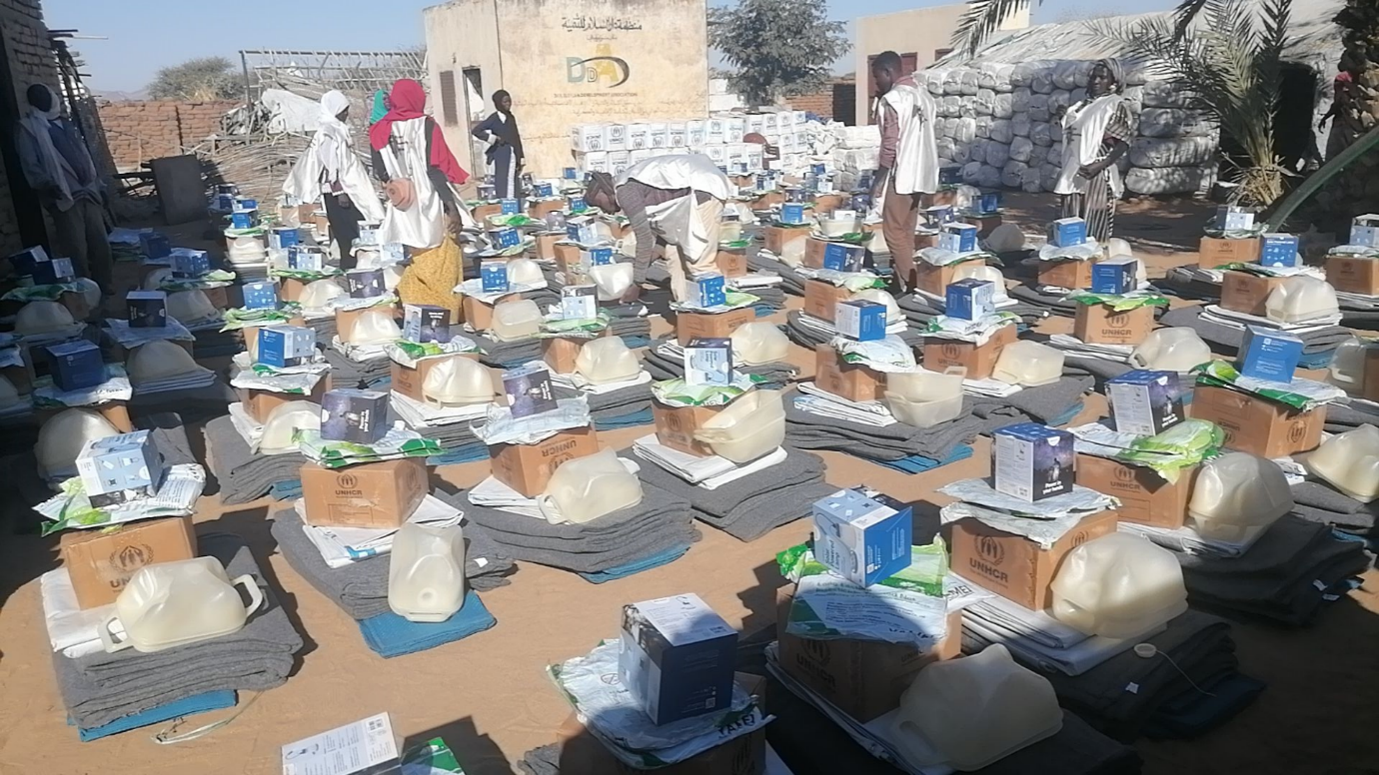
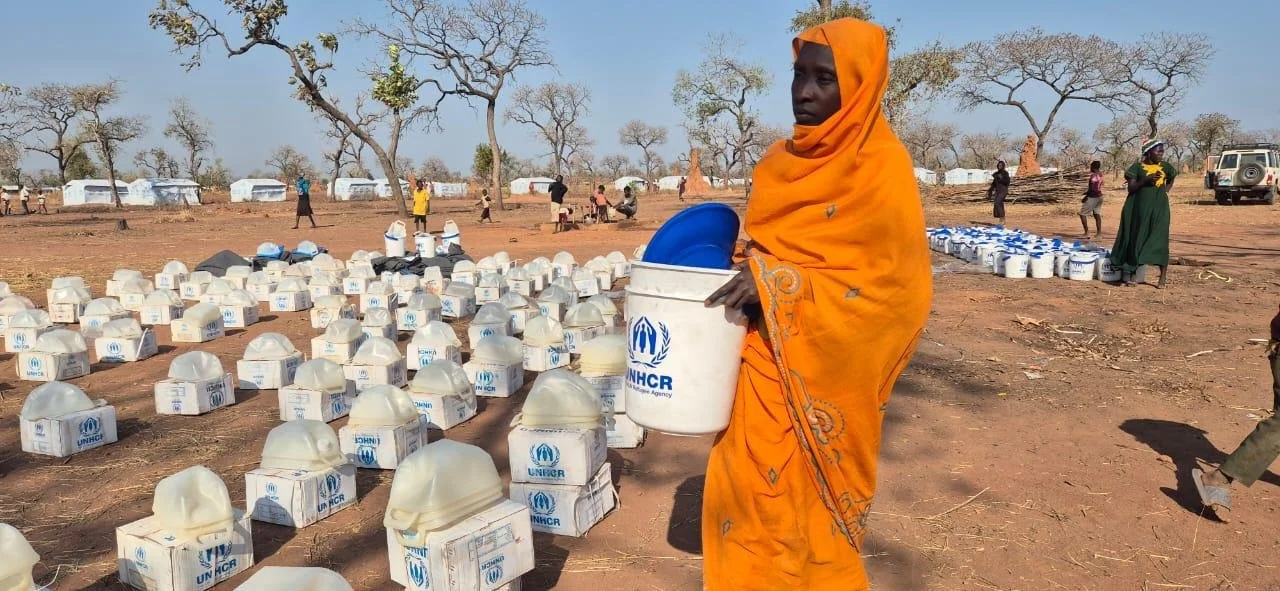
Humanitarian products often assume standard usage, ignore local context, and prioritize distribution over usability
These solutions flatten complex problems instead of addressing root causes.
— current chlorination systems
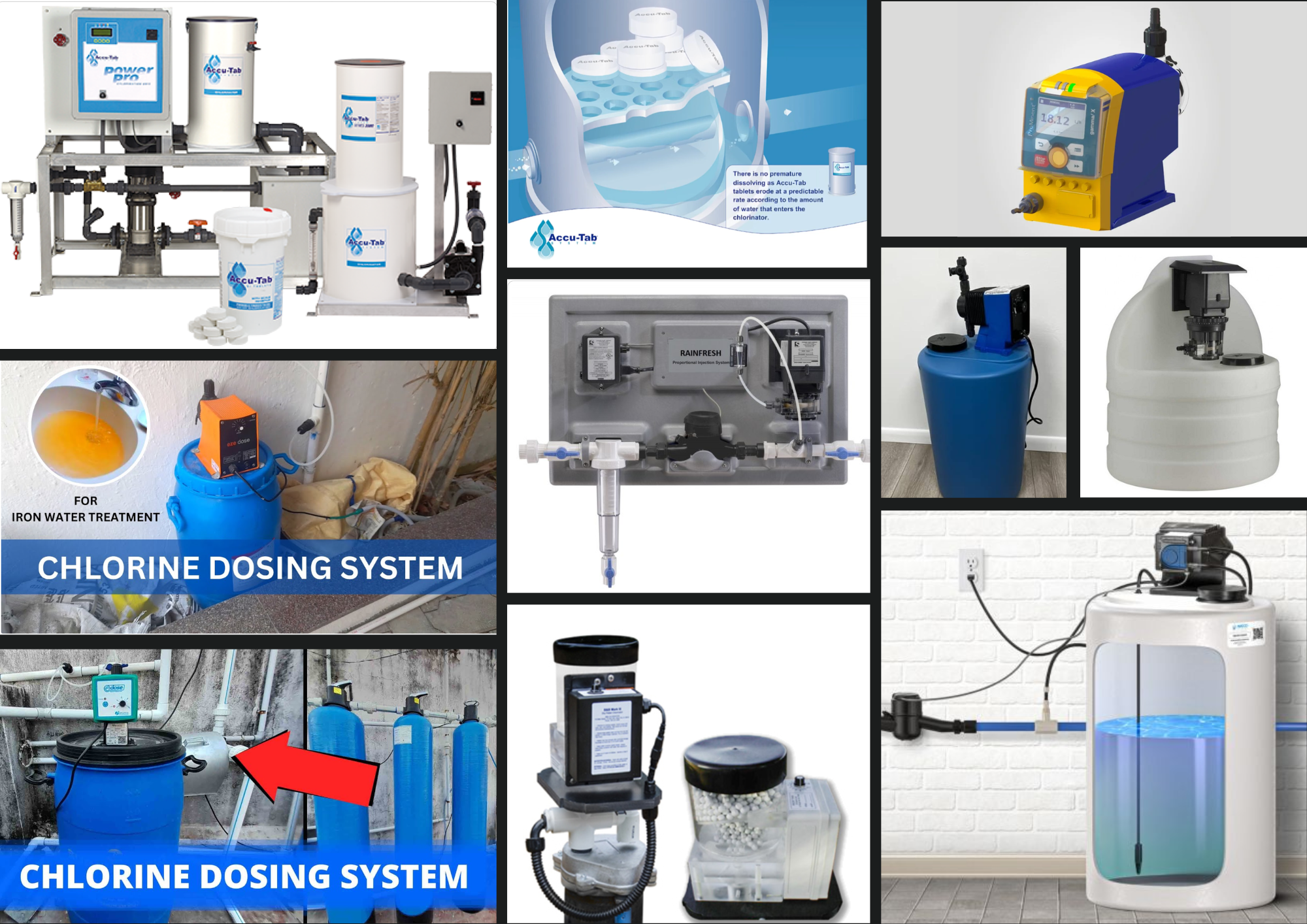
Most existing chlorination systems are built for controlled settings like pools, industrial water, wastewater plants, and large buildings, not for the daily realities of refugee camps.
They often rely on fixed installation, trained operators, steady maintenance, and careful chemical handling, which makes them hard to use in fast-changing, low-resource environments.
While they can treat water, they are usually designed for stable facilities, not for simple, safe, and flexible use where people need quick access to clean drinking water.
How might we design a water treatment system that adapts to people, instead of forcing people to adapt to it?
AI-Assisted Chlorine Dispensing System
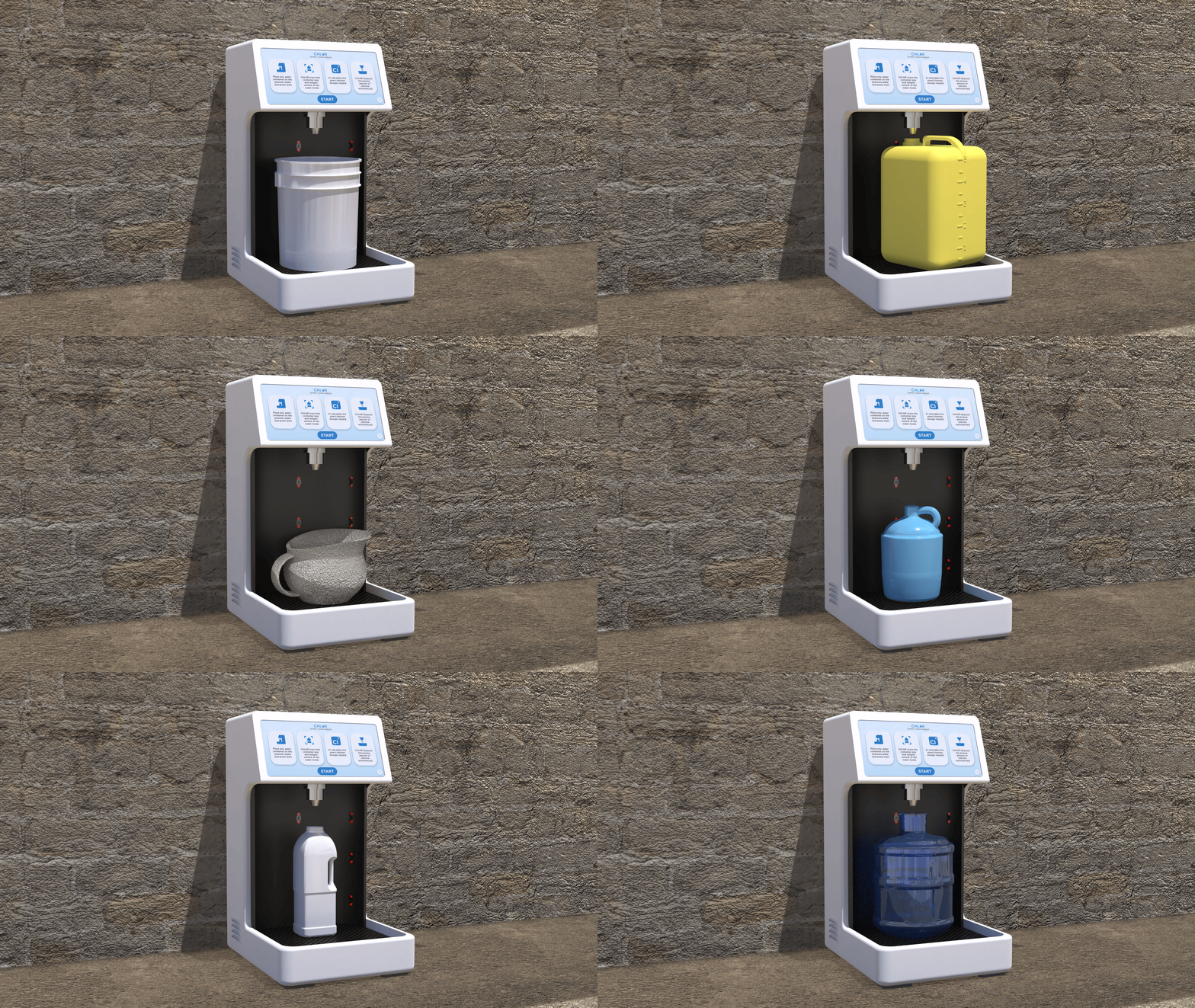
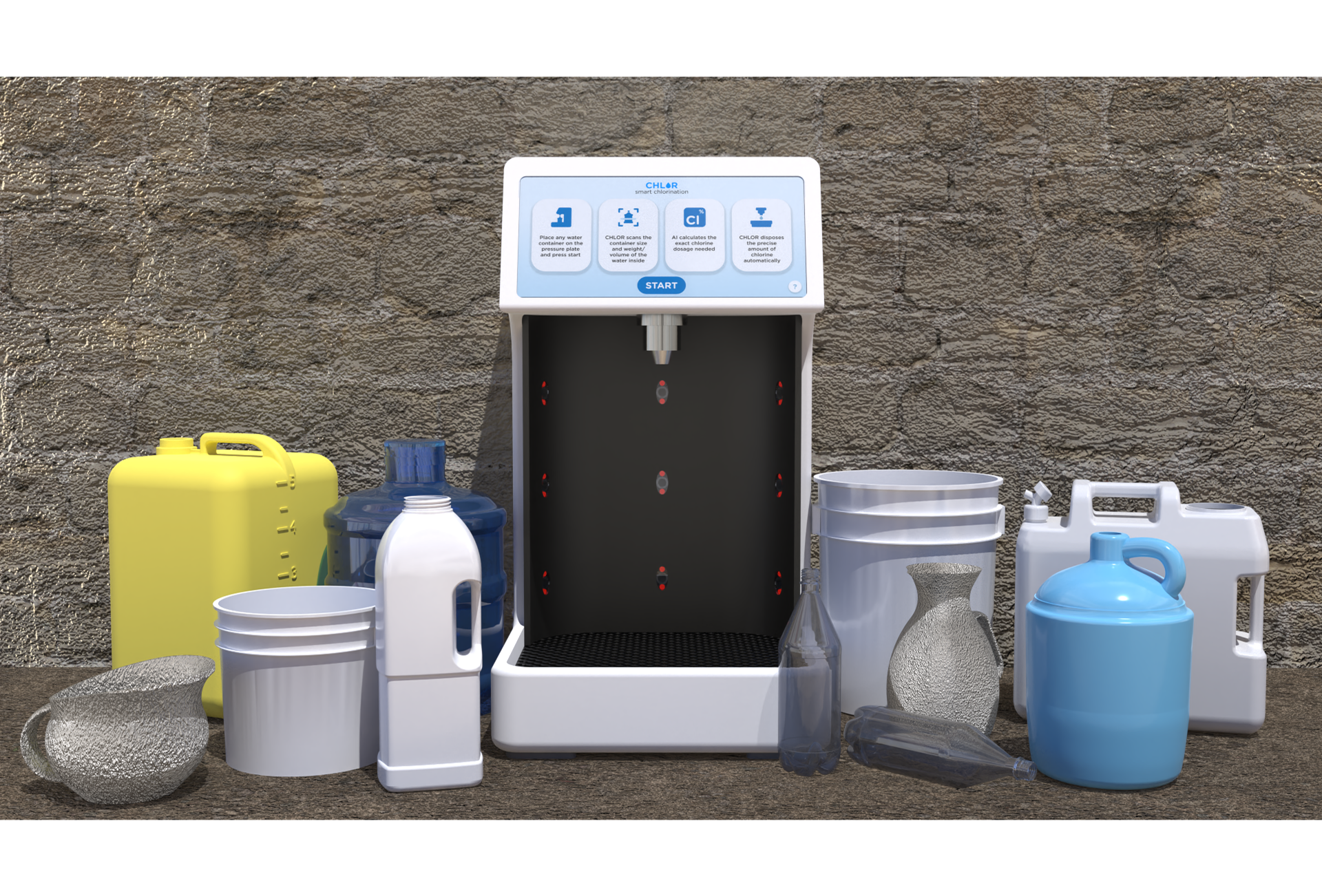
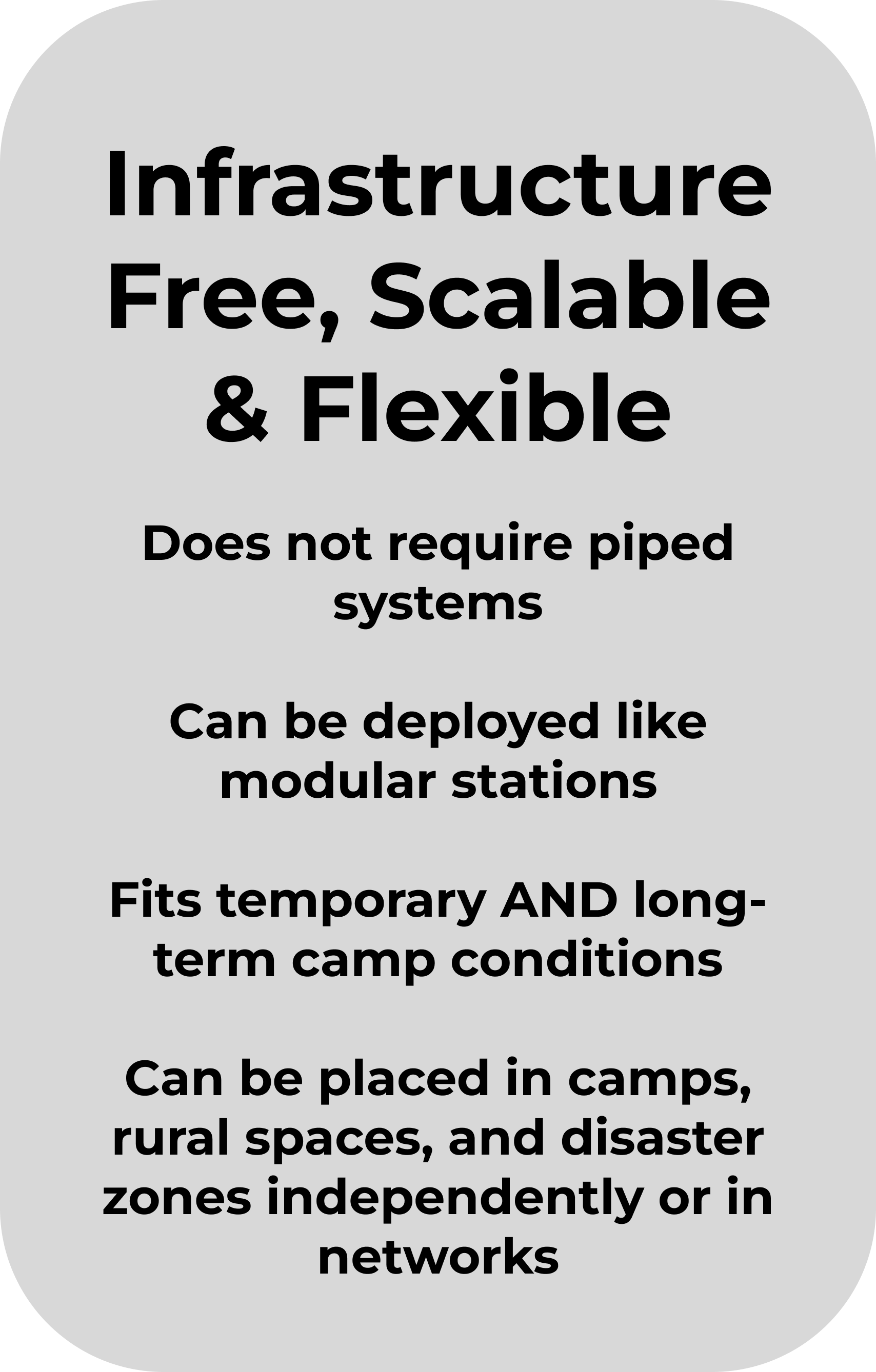
A standalone, infrastructure-light device that functions kind of like a water vending machine, but for safe water treatment.
HOW IT WORKS
PROPOSED TECHNOLOGIES (tbd):
Object recognition (container detection)
Volume estimation (computer vision)
Smart dosing system
Optional feedback UI (light / sound indicators)
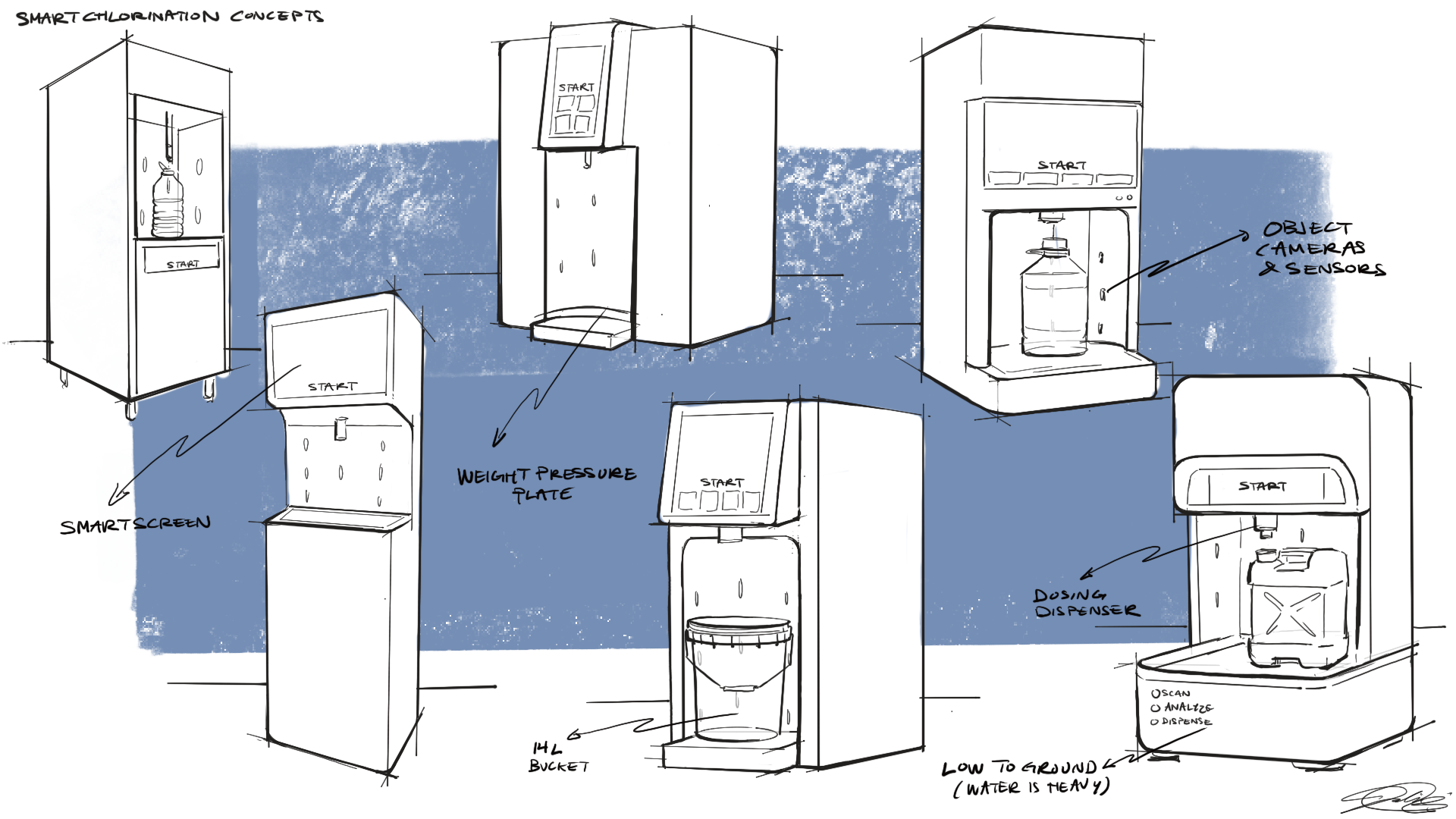
process sketches
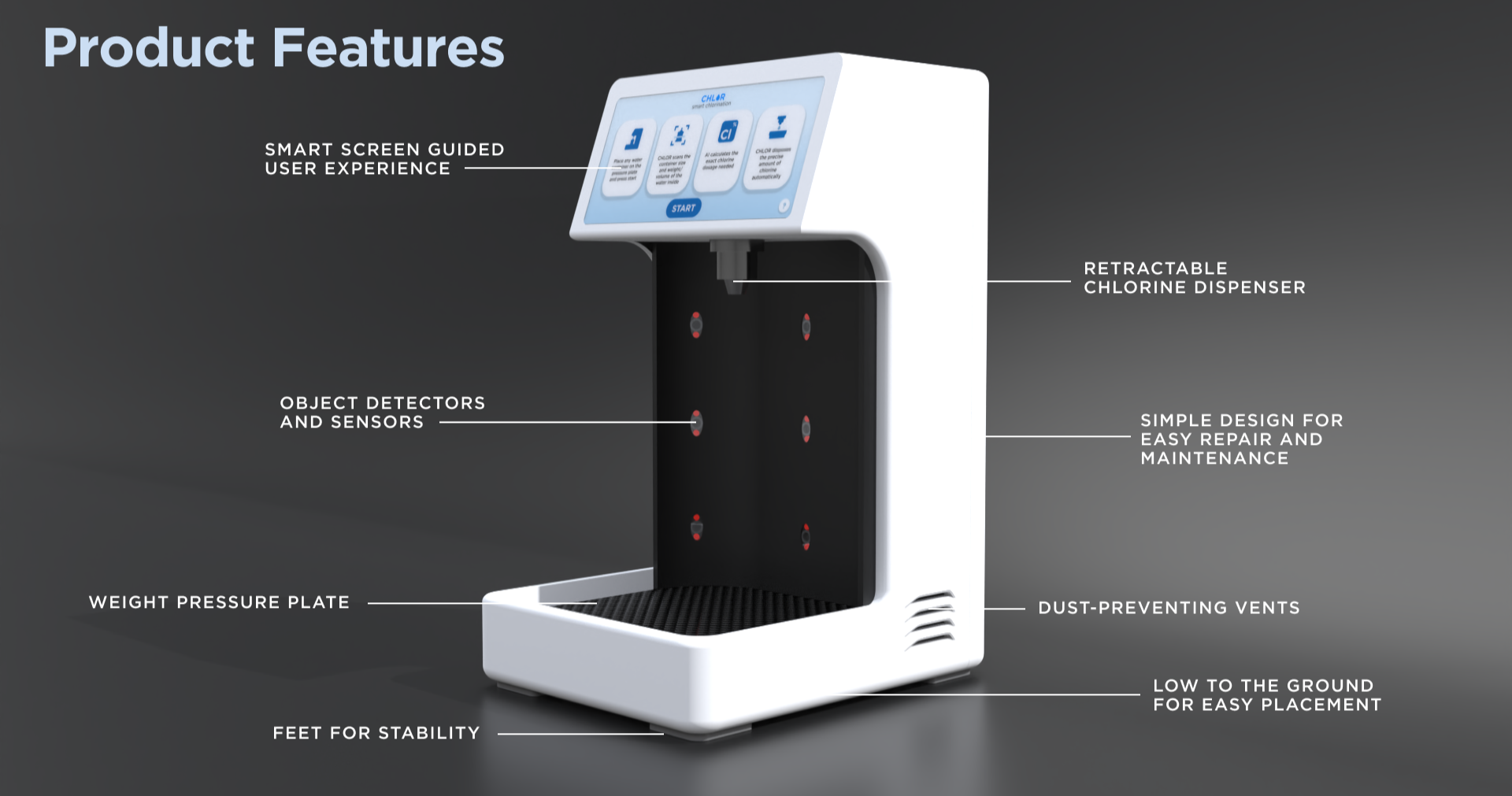
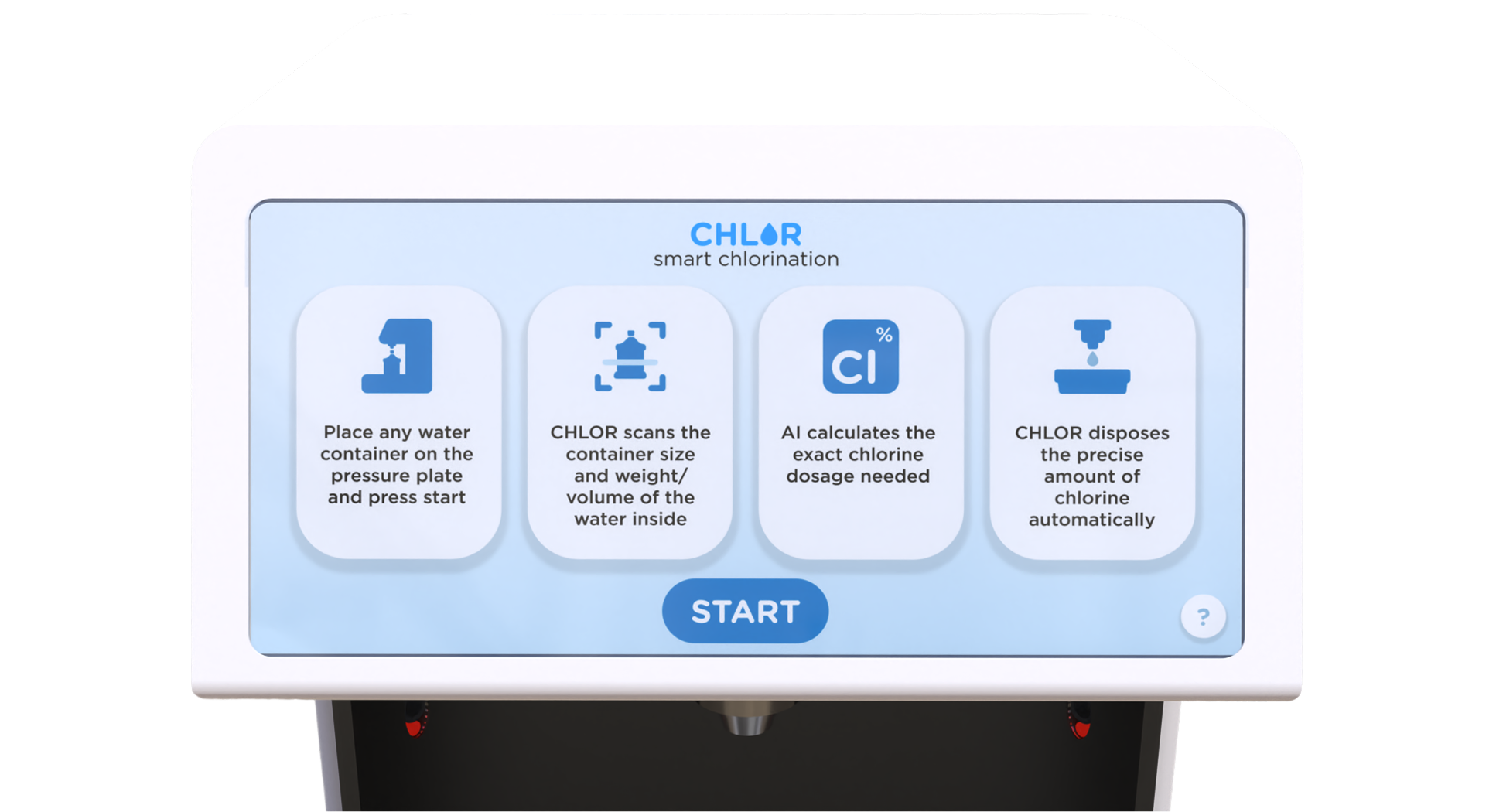
actually one size fits all.
— why this matters
Moving From:
One-size-fits-all
Temporary fixes
Corporate-driven solutions
Towards:
Context-aware systems
Adaptive technology
Human-centered design
Access to clean water should not depend on what you have. It should work with whatever you have.