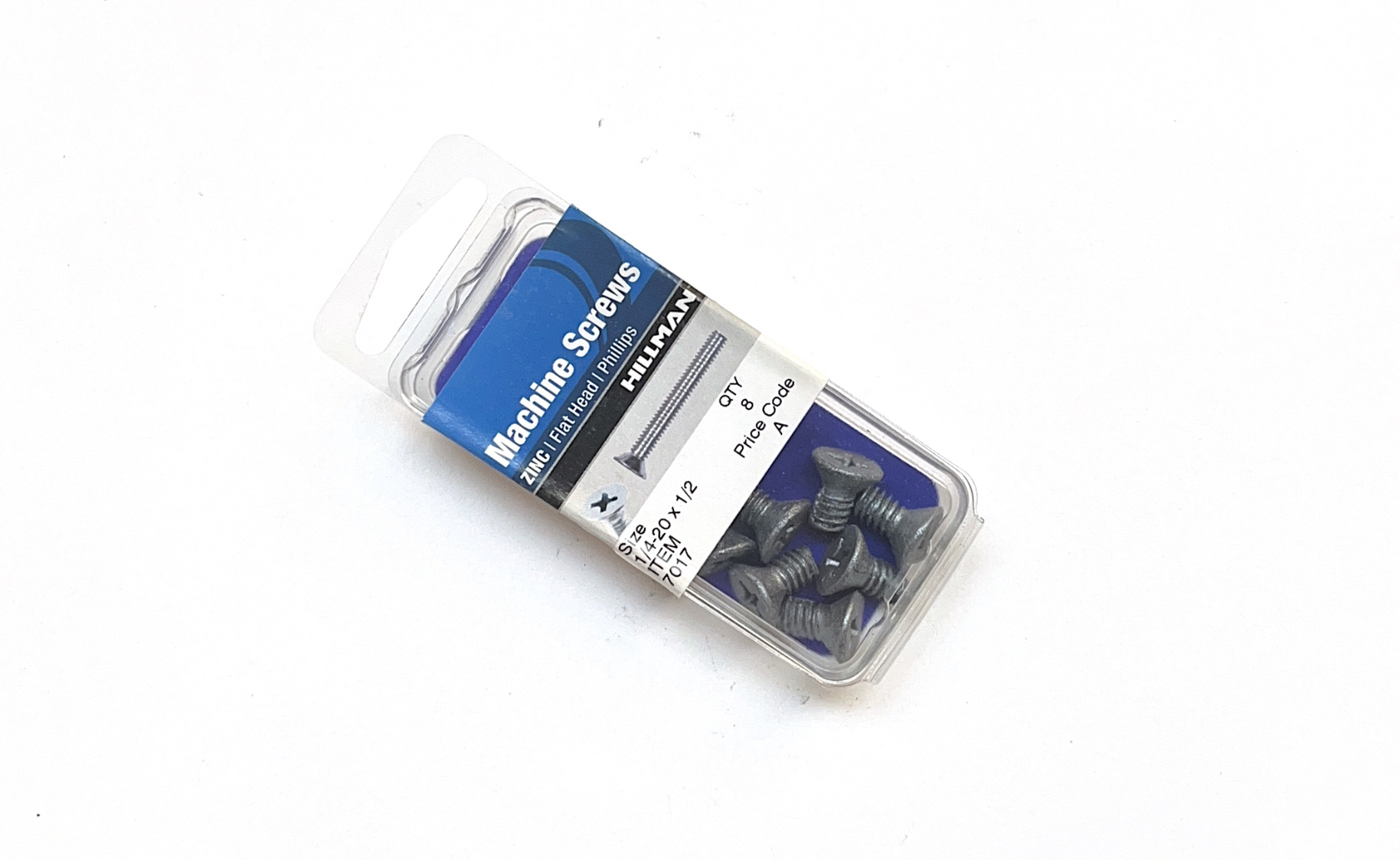
digesting design
Edible Materials as Design Materials
Intercepting traditional industrial design processes by creating my own new process, and building and testing that new design methodology.
“Screwing with People”
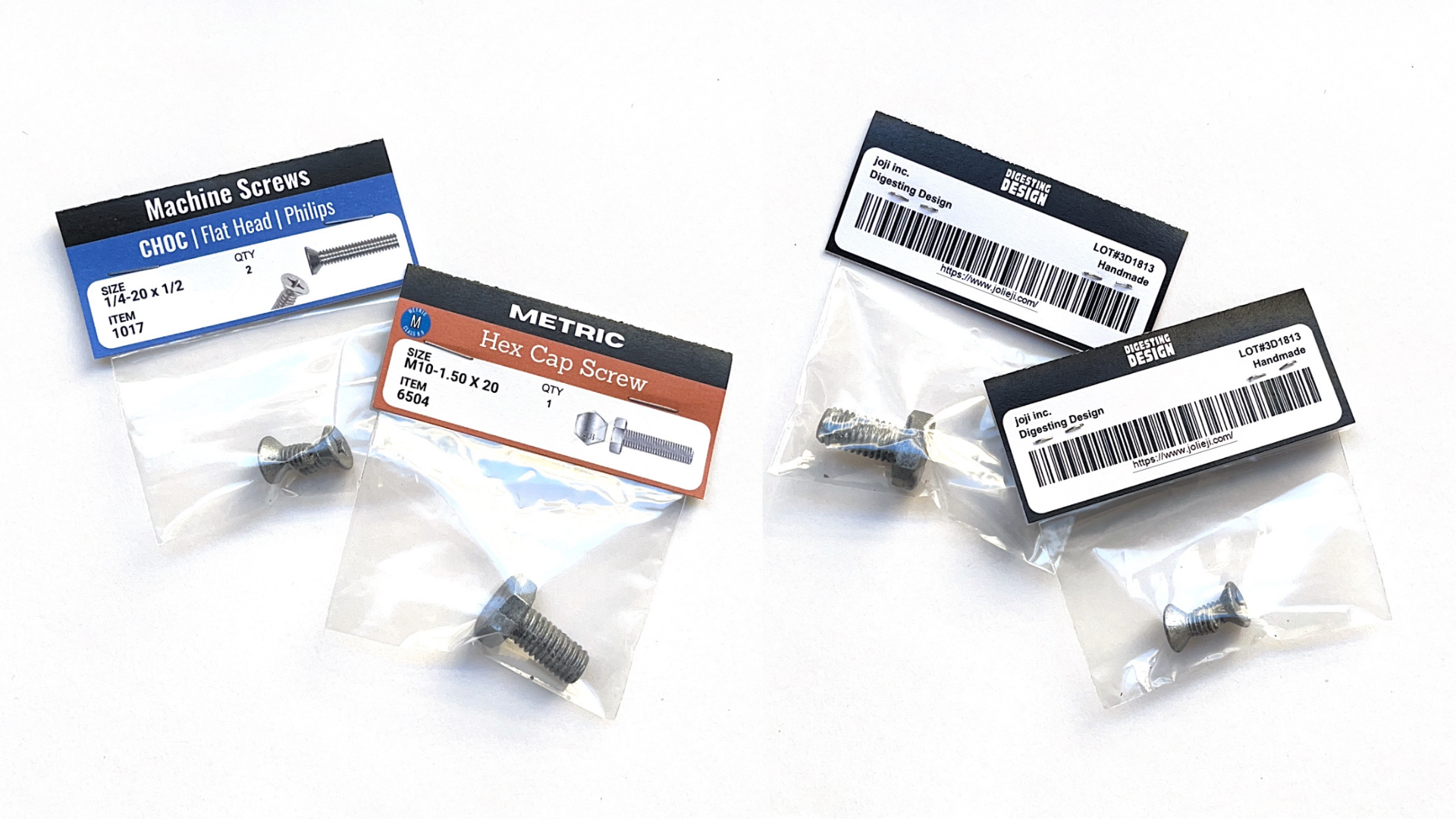
— project overview
This project explores realism, deception, and sensory experience through the lens of edible design. Digesting Design applies traditional industrial design processes: material testing, prototyping, casting, etc. to edible materials such as dough, sugar, and chocolate.
Key Points:
Using edible materials (dough, sugar, chocolate, fondant, biscuits, etc.) to recreate and reinterpret industrial design processes.
Treating food like a design material: testing, prototyping, joinery, lamination, texturing, molding, and casting.
Designing objects that look like traditional products/items or wooden objects, but are actually consumable.
— background and motivations
A way to design not just to produce objects, but to heal, taste, and let go.
Throughout my time in Industrial Design at RISD, I’ve found myself caught between the love and fear of making. My experiences in Wood I and Wood II left deep impressions: tools that frightened me, processes that caused anxiety, and materials that I admired but could no longer approach comfortably.
At the same time, I’ve always been drawn to food-making, a process that also involves transformation, material manipulation, and sensory judgment, but feels comforting and familiar.
Using digesting design as a medium of healing, nourishment, and reclaiming agency over tools and processes
— methodology + PERCEPTION, ILLUSION, PREDICTIVE MINDS
Digesting Design as an embodied predictive-processing experiment where these objects become designed perceptual illusions, revealing how deeply material and form shape emotional experience.
Material Substitution
Process Translation
Bent lamination
Steam bending
Casting or molding/mold making
Injection molding, silicone molding
Deceptive Realism
Sensory & Perceptual Testing
Observe how people:
Approach these objects (do they touch? hesitate? eat?)
React when expectations are violated
Do they even notice the difference?
The “aha!” moment
Perception is not a neutral recording, it’s an active construction, filtered through:
Prior knowledge / Memory
Expectations
Sensory limits
Cognitive shortcuts
Illusions as tools, where being fooled is not a failure, but a window into how perception really works. We fill in gaps, simplify, impose structure, and treat constructed perceptions as “real.”
Carbon – “Perception Is Not Passive, It Is Constructive and Biased” & Andy Clark – “The Experience Machine (Predictive Processing)”
For this project, I am challenging and examining:
The expectation that certain forms “should” behave in certain ways
The surprise when sensory input contradicts that expectation
The re-evaluation that follows when the mind must reconcile form vs material.
process
Experimented with lots of materials cookie doughs, pie crust, pasta, fondant, etc. Attempted many different ID techniques such as fingerjoints, bent lamination, steam bending, casting, etc all using 3D printed cookie cutters and molds I made.
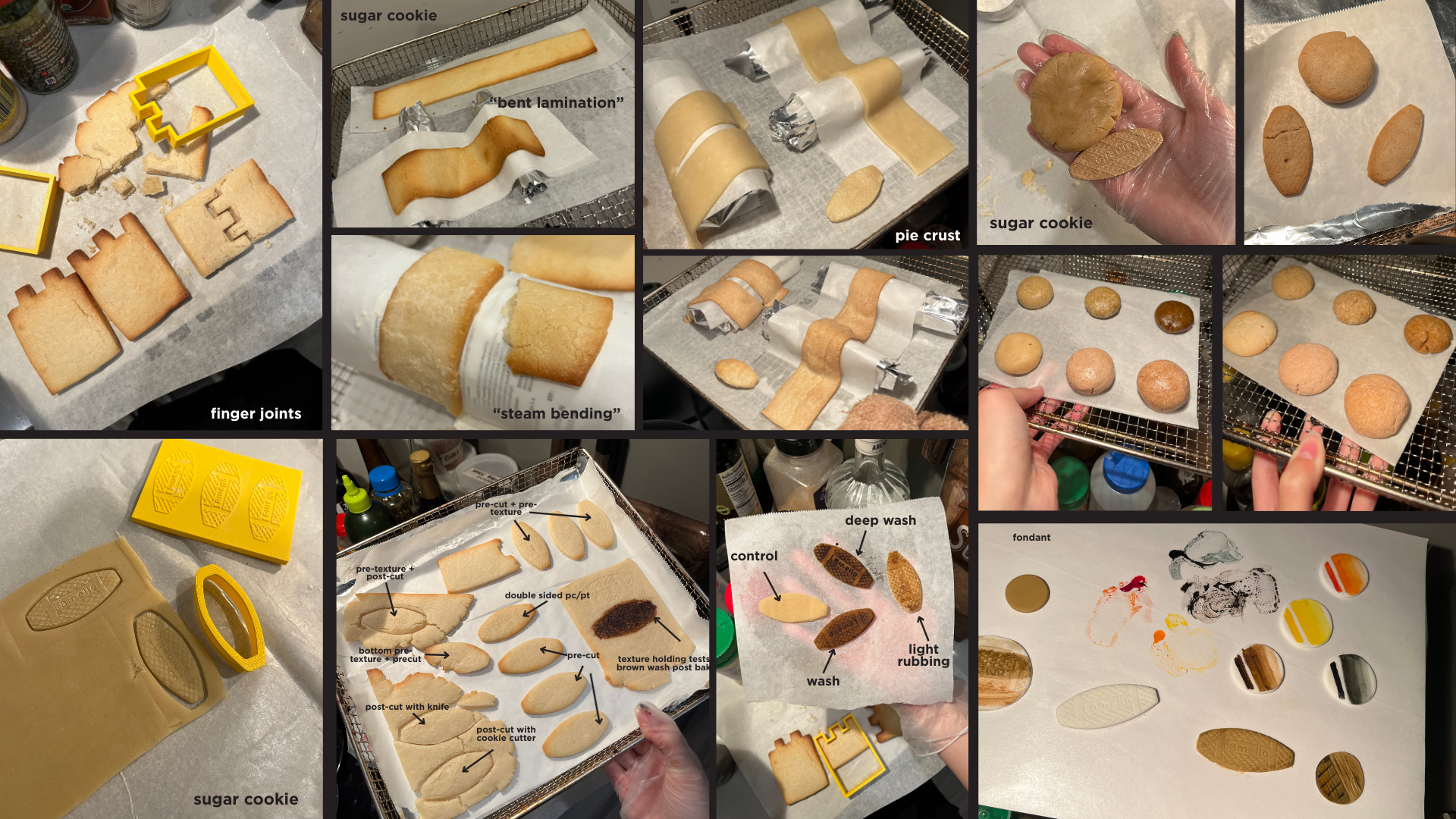
After the mid point presentation, I reflected on my previous experiments and realized that doughs are too difficult to work with as there is too much science and I would not have enough time to fully develop it. They were too buttery, too soft, too flakey, it expands too much, or shapes change uncontrollably, or shifts colors while baking, and other things. However, I got a lot of good feedback, and suggestions that I should play with other “materials” so I chose to work with chocolate as it has a lot of features that align with ID processes.
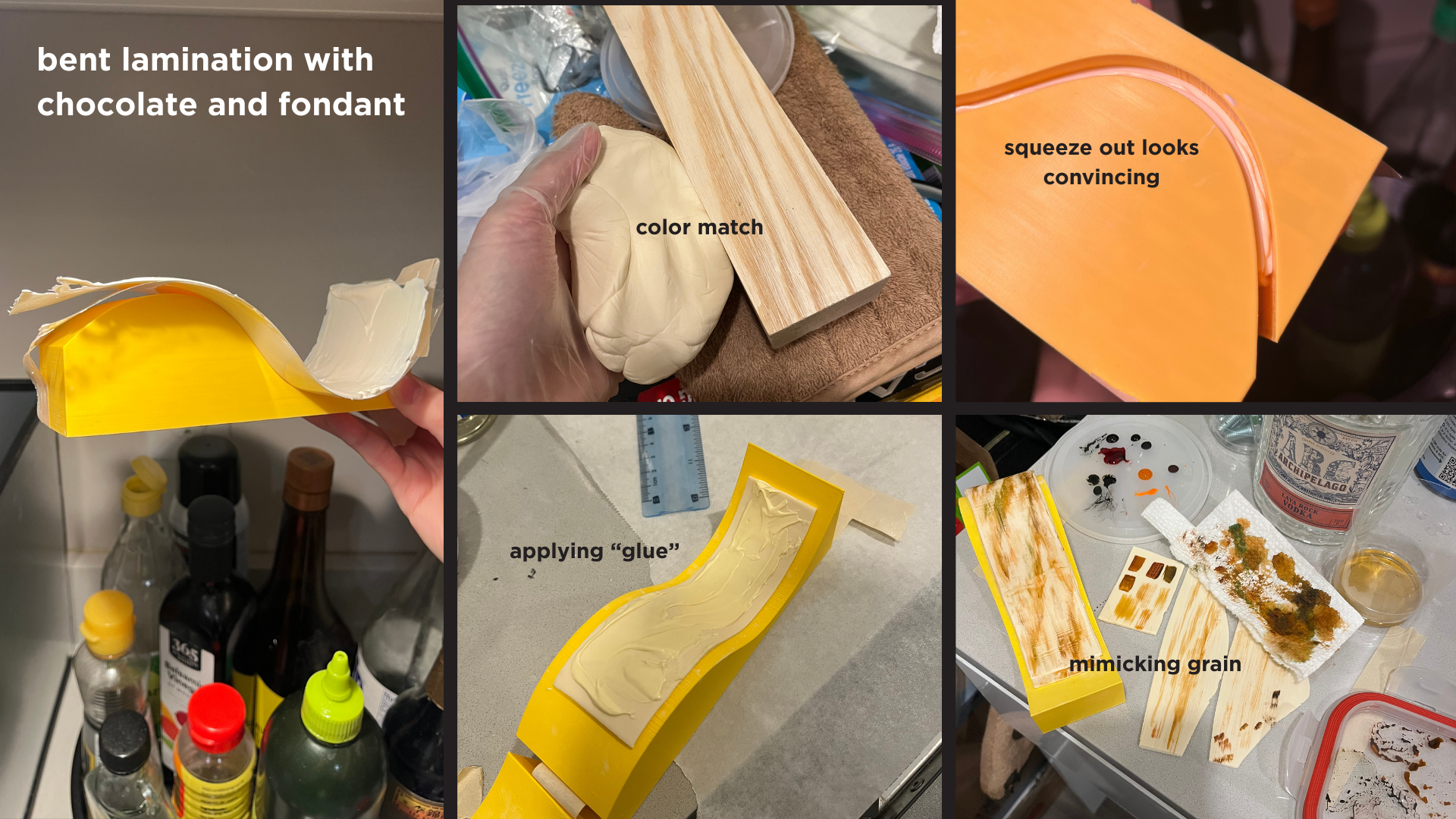
I tried bent lamination with chocolate, but it lifted from the surface while drying, I then thought maybe, about using it as glue between 2 sheets of fondant, like real bent lam. I color matched the fondant to a piece of ash wood I had, rolled it out, cut it out, applied the “glue”, and sandwiched the other half of the jig on top. The squeeze out definitely looked convincing.
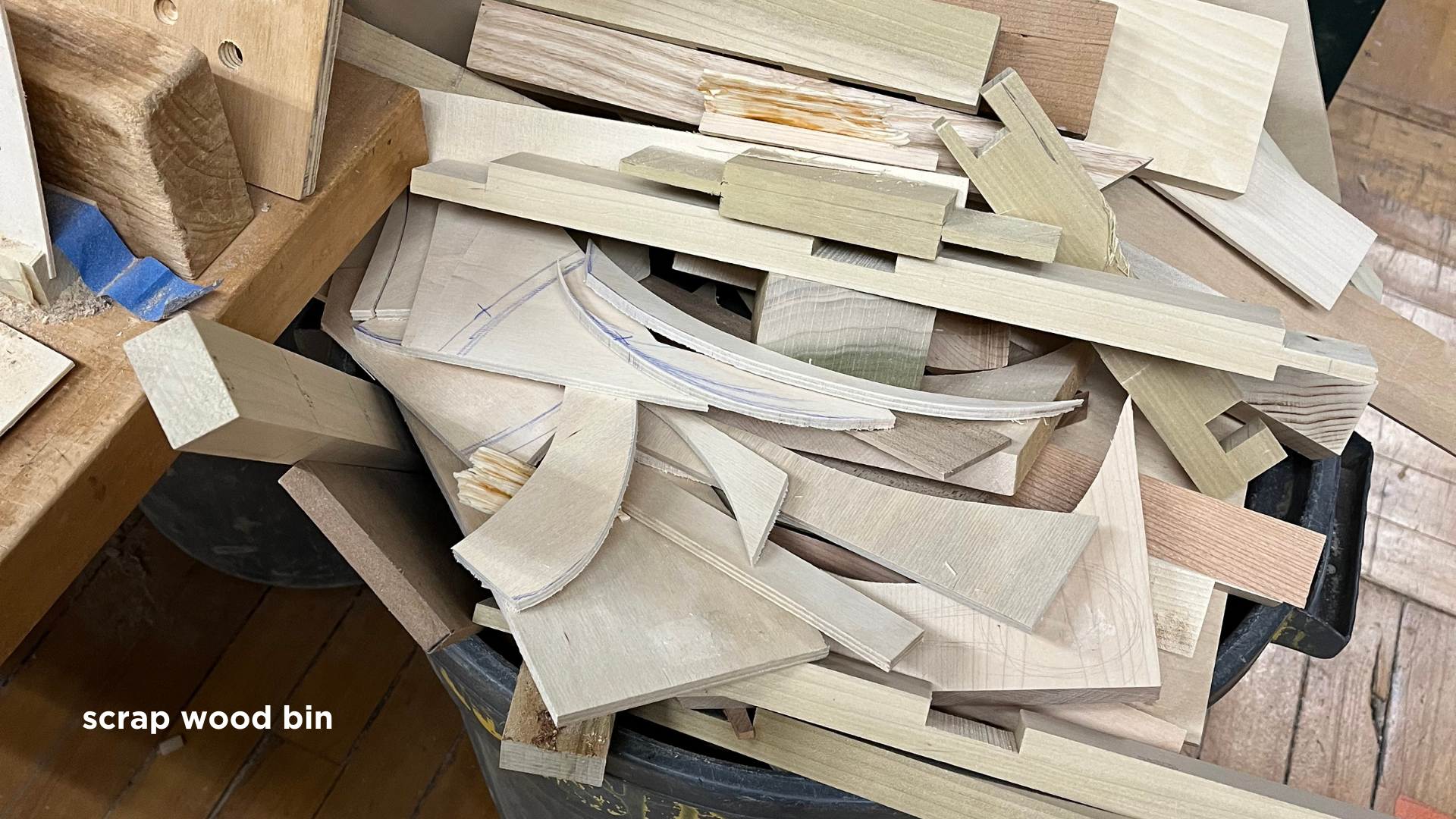
Some problems with fondant: It definitely was not strong enough to hold, the glue did not make it stronger like I would have hoped, it takes a long time to dry, (i had it out for 3 days), and maybe it just isn’t meant to do bent lamination, which led to it snapping in half even while carefully painting on it. I ended up putting my pieces into the scrap wood bin, which felt oddly comforting.
“screwing with people”
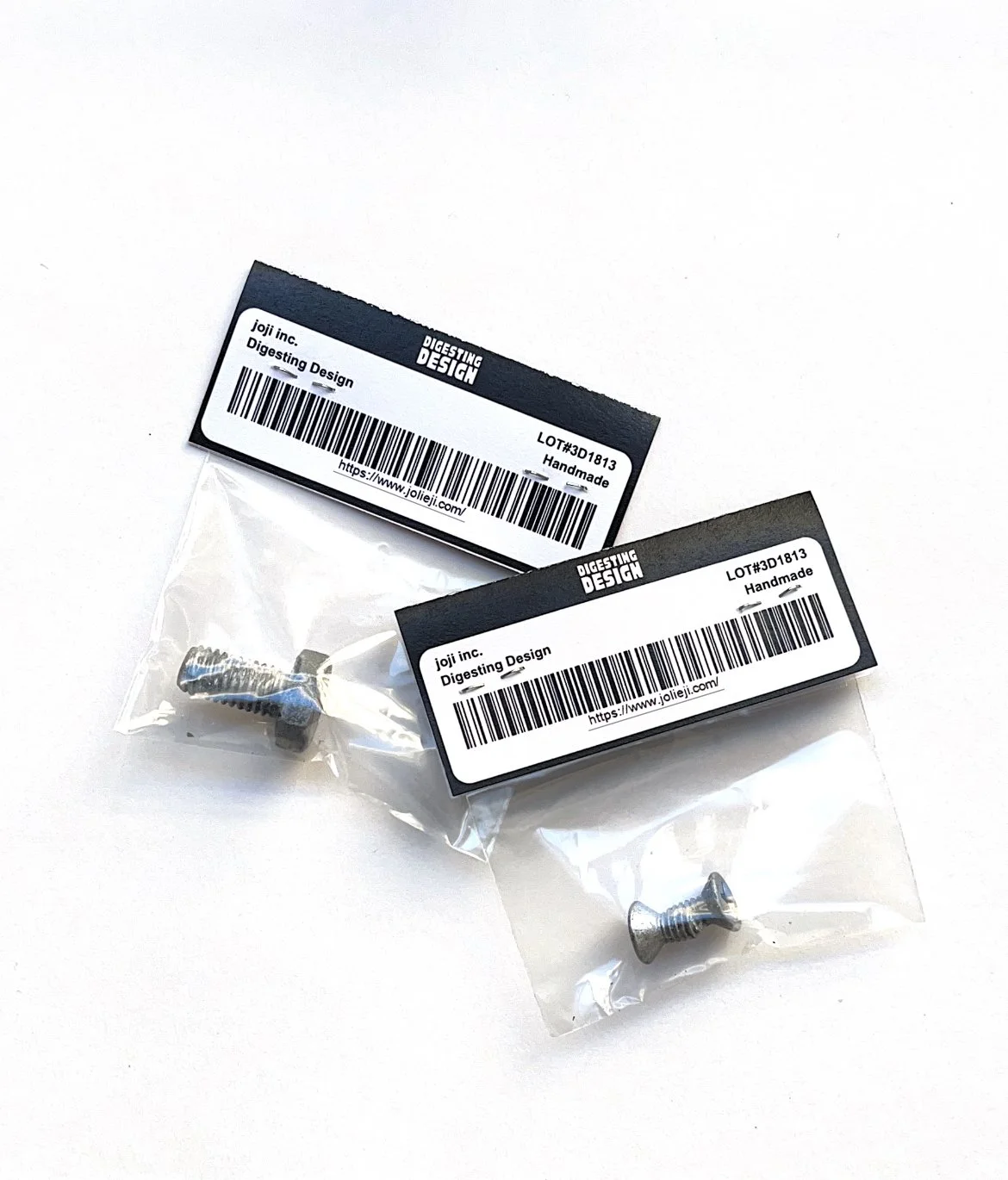
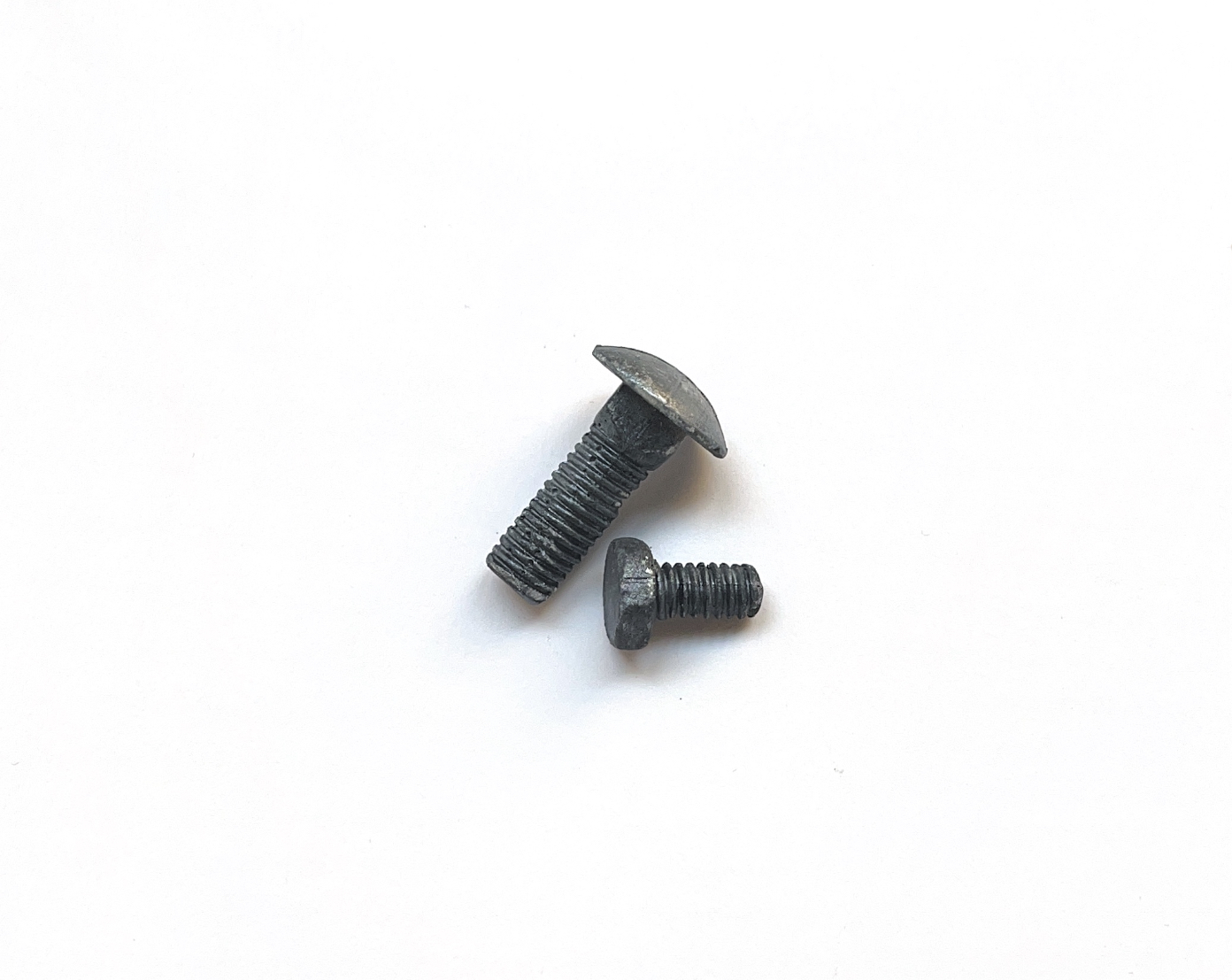
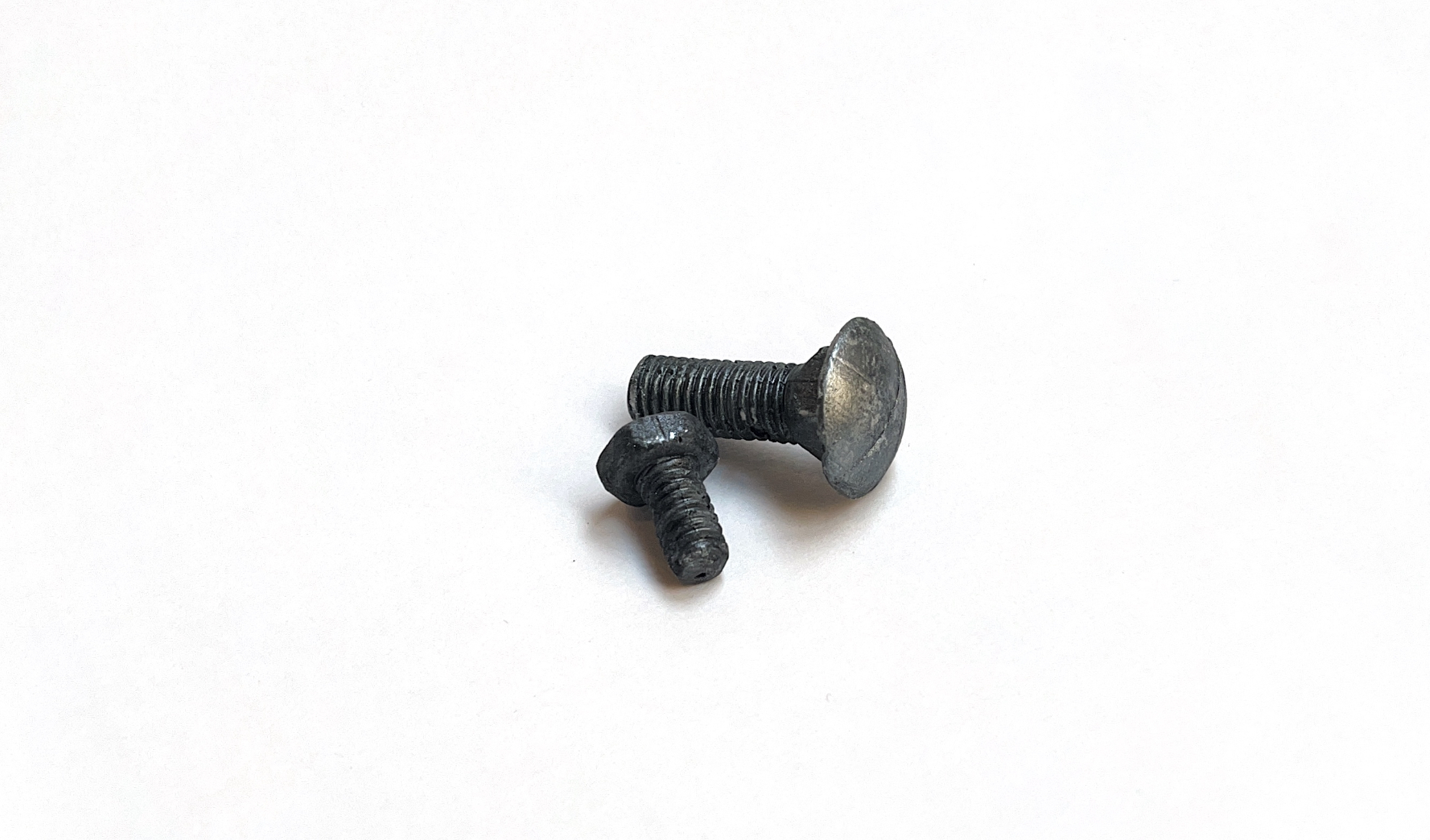
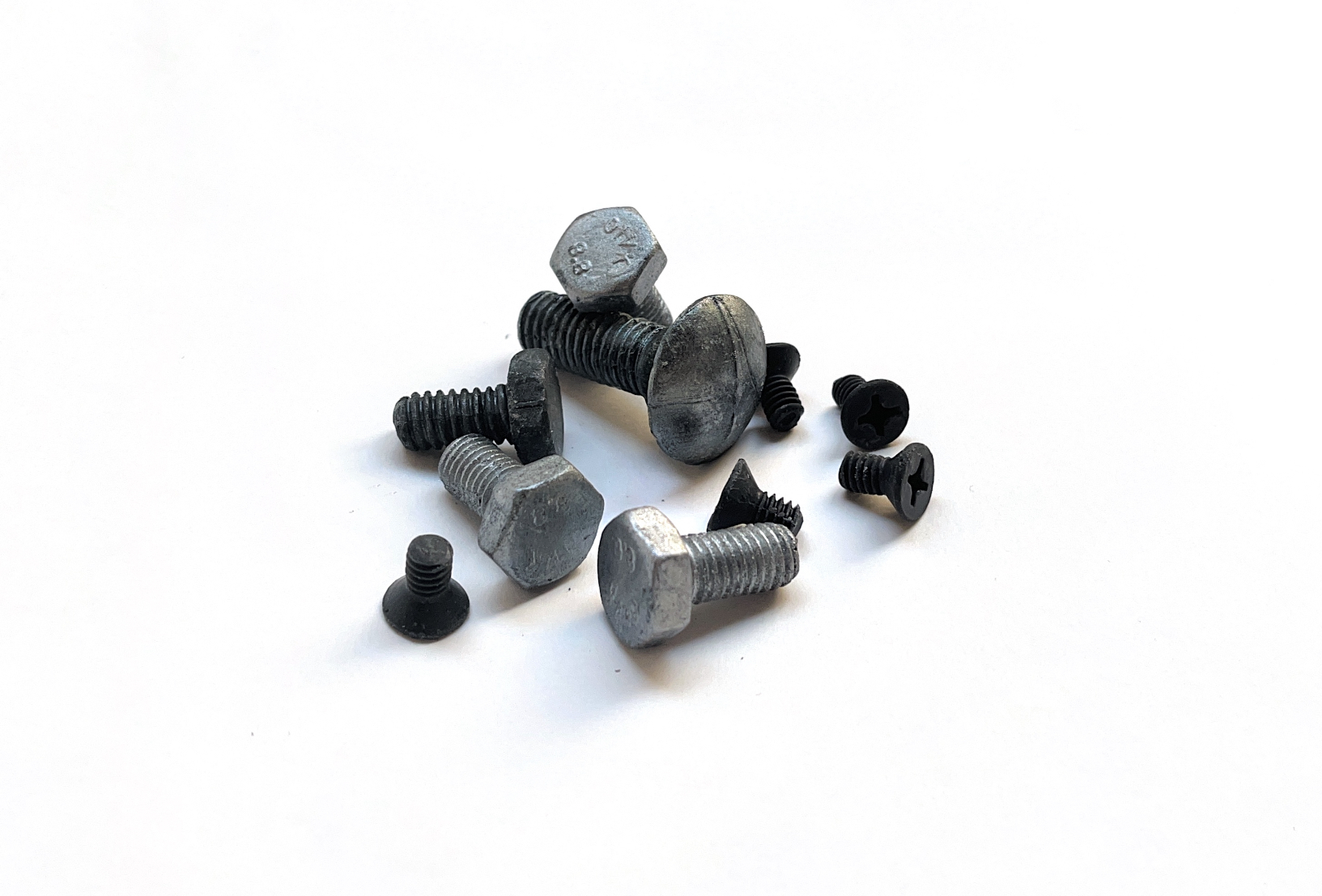
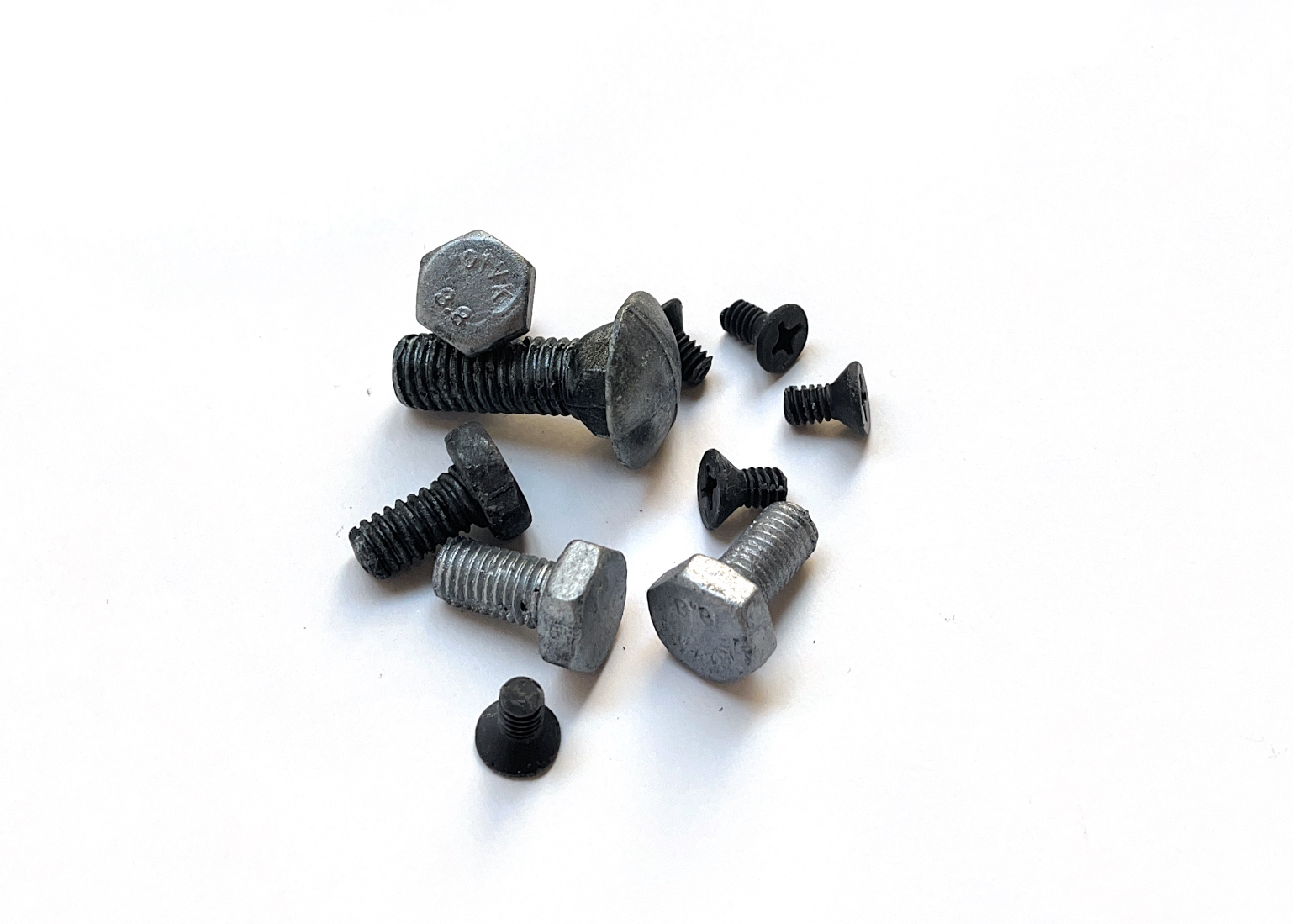
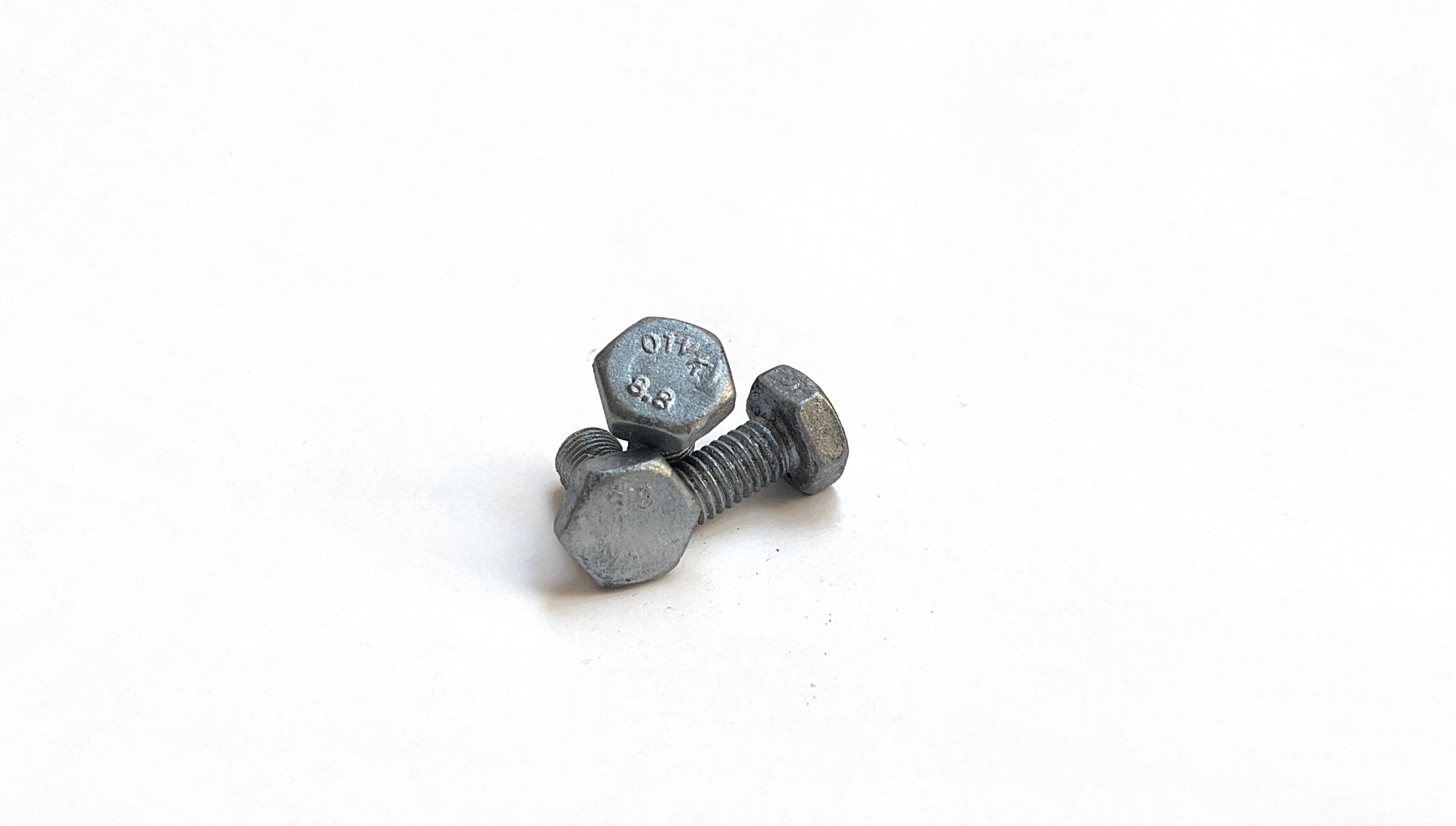
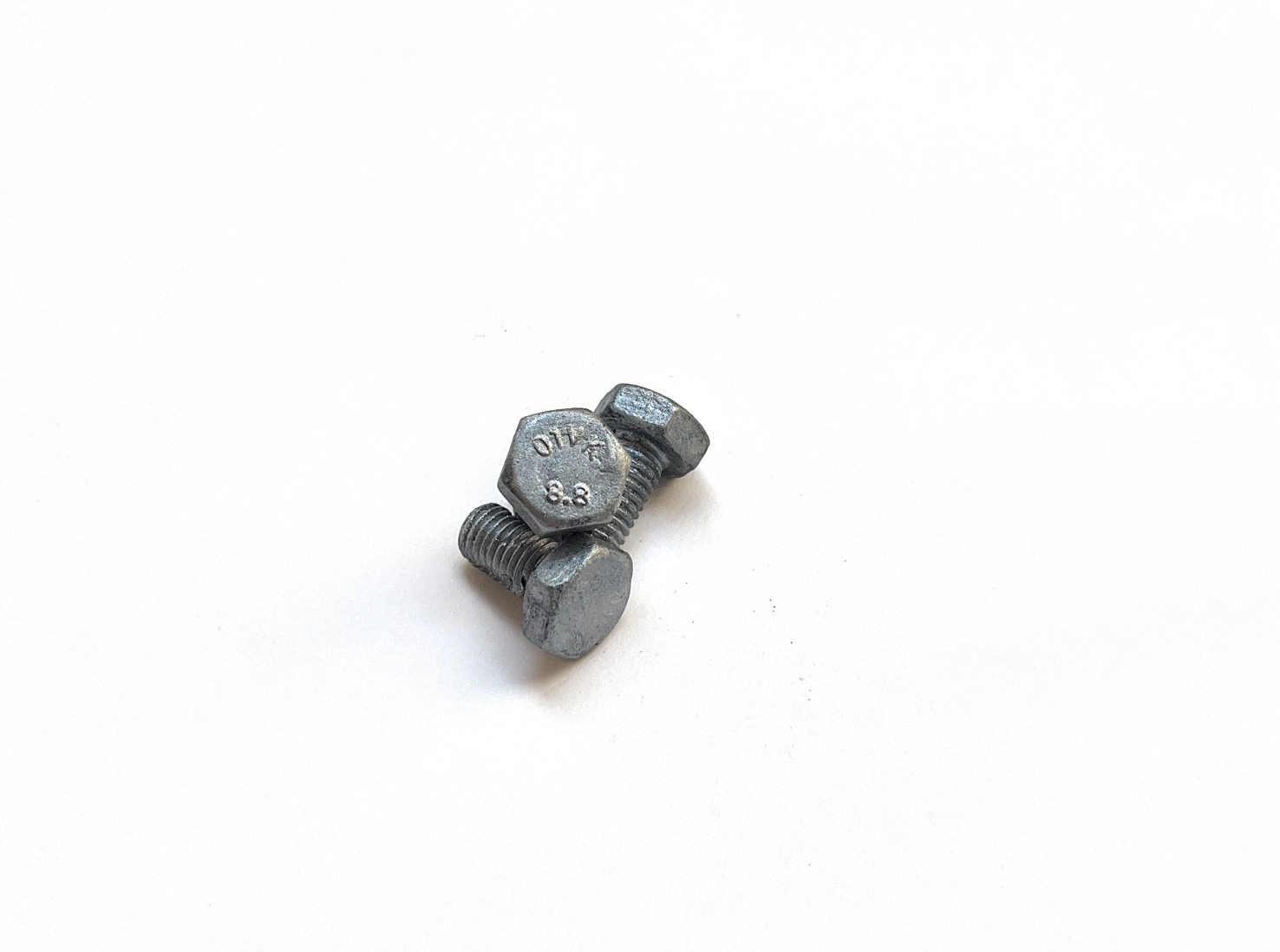
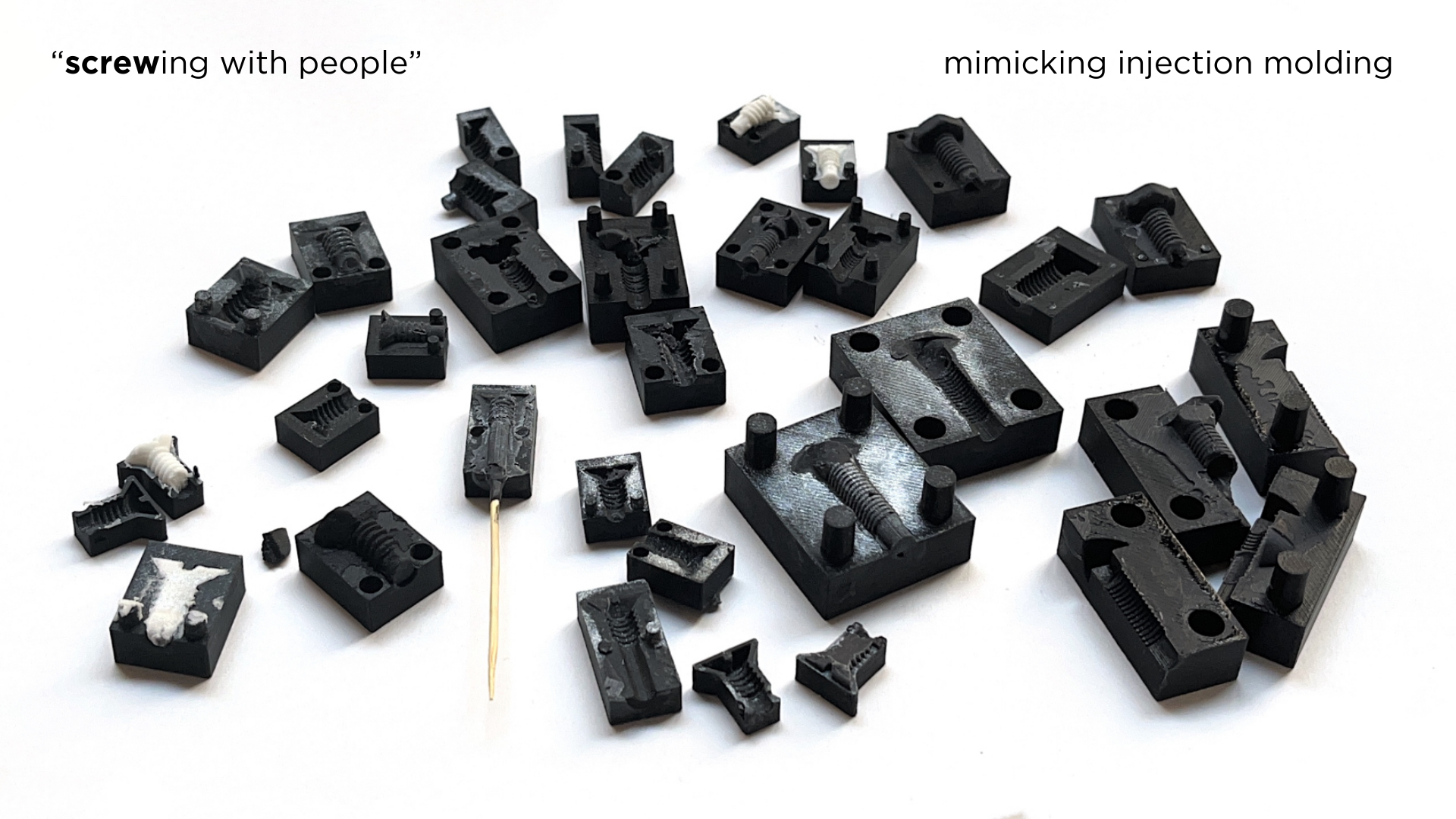
So after, I came up with a new outcome, and I call it “screwing with people.” I wanted to make chocolate screws with my own 3D printed molds, to mimic injection molding. I thought this would be pretty simple as I’ve had 3D printed candle mold making experience, but I had many PROBLEMS and unsuccessful attempts.
The pieces either came out broken or got stuck in one half of the mold no matter what i did. I tried using oils, butters, grease, corn starch, silver power, anything I could google or think of as mold release, but nothing worked.
Then I tried over engineering my molds: adding pin holes, splitting it up from 2 parts into 4 parts, adding extra push outs or pieces, and none of it worked.
I even thought it was the way I was squeezing my melted chocolate inside, so I made these little piping tips for the ends of my ziploc bags
But nothing worked.
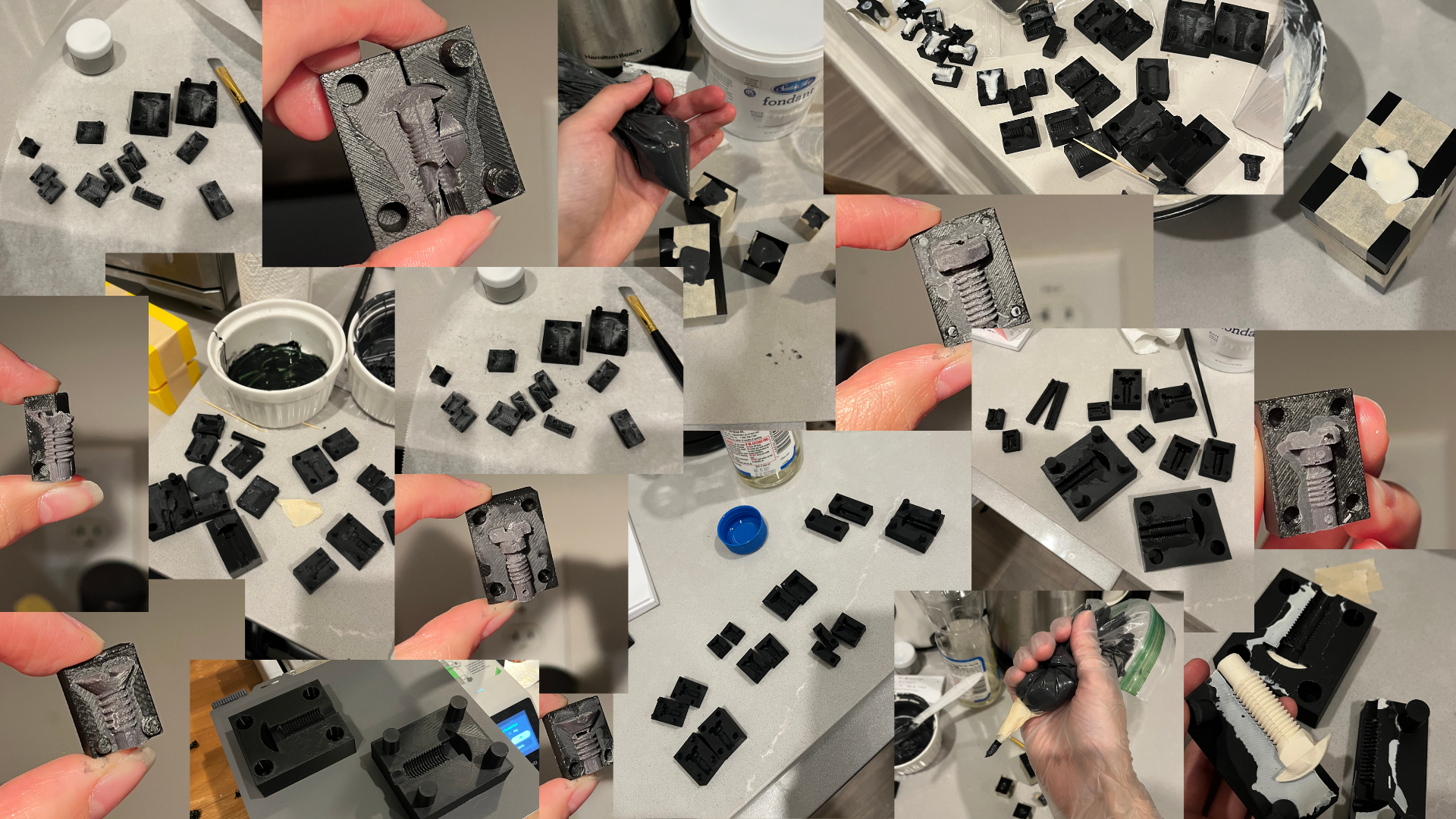
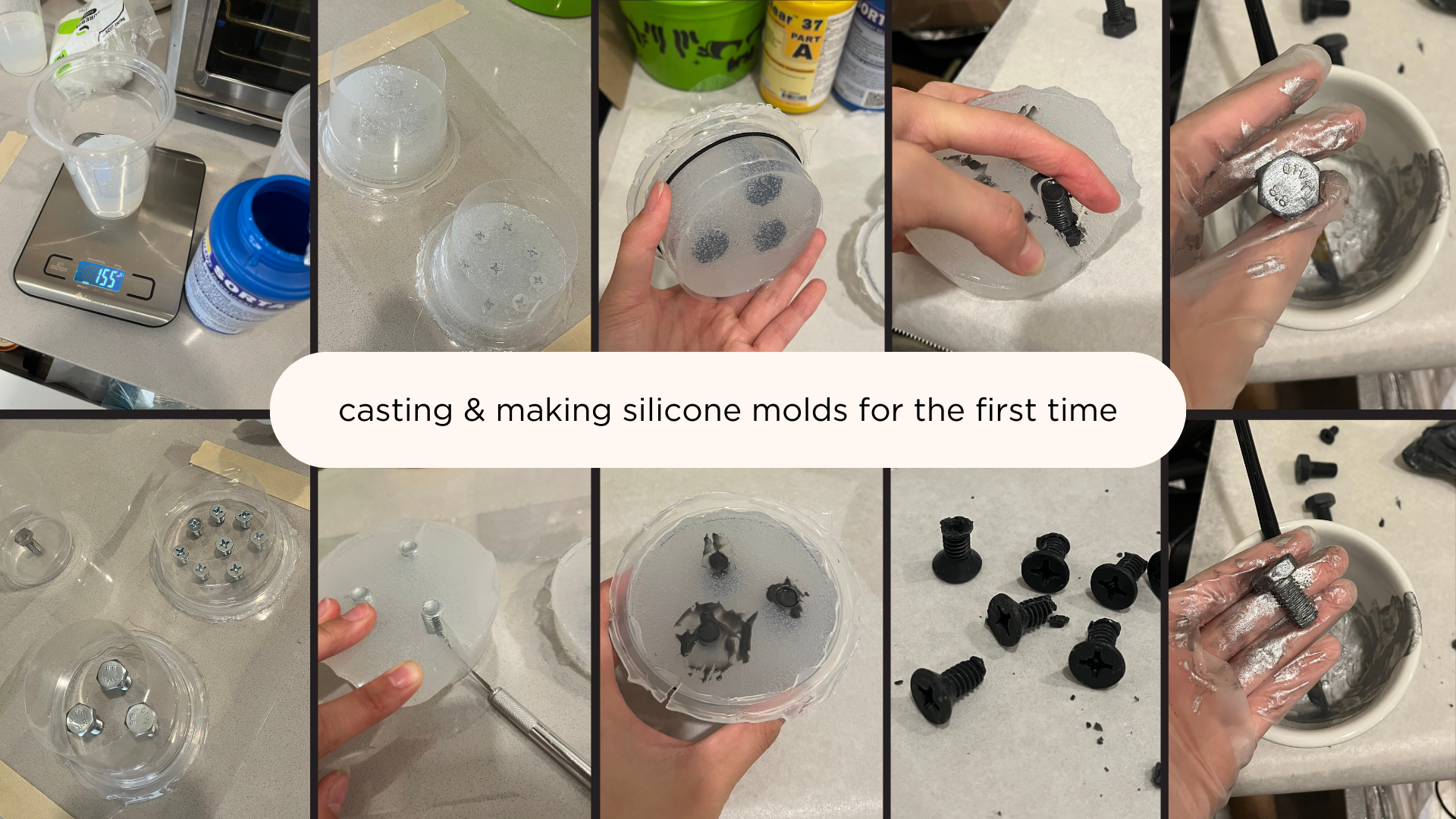
So as a solution, I decided to make my own silicone molds for the first time ever, a process that was intimidating to me, so I never tried it, but here I am.
outcome and perceptual tests
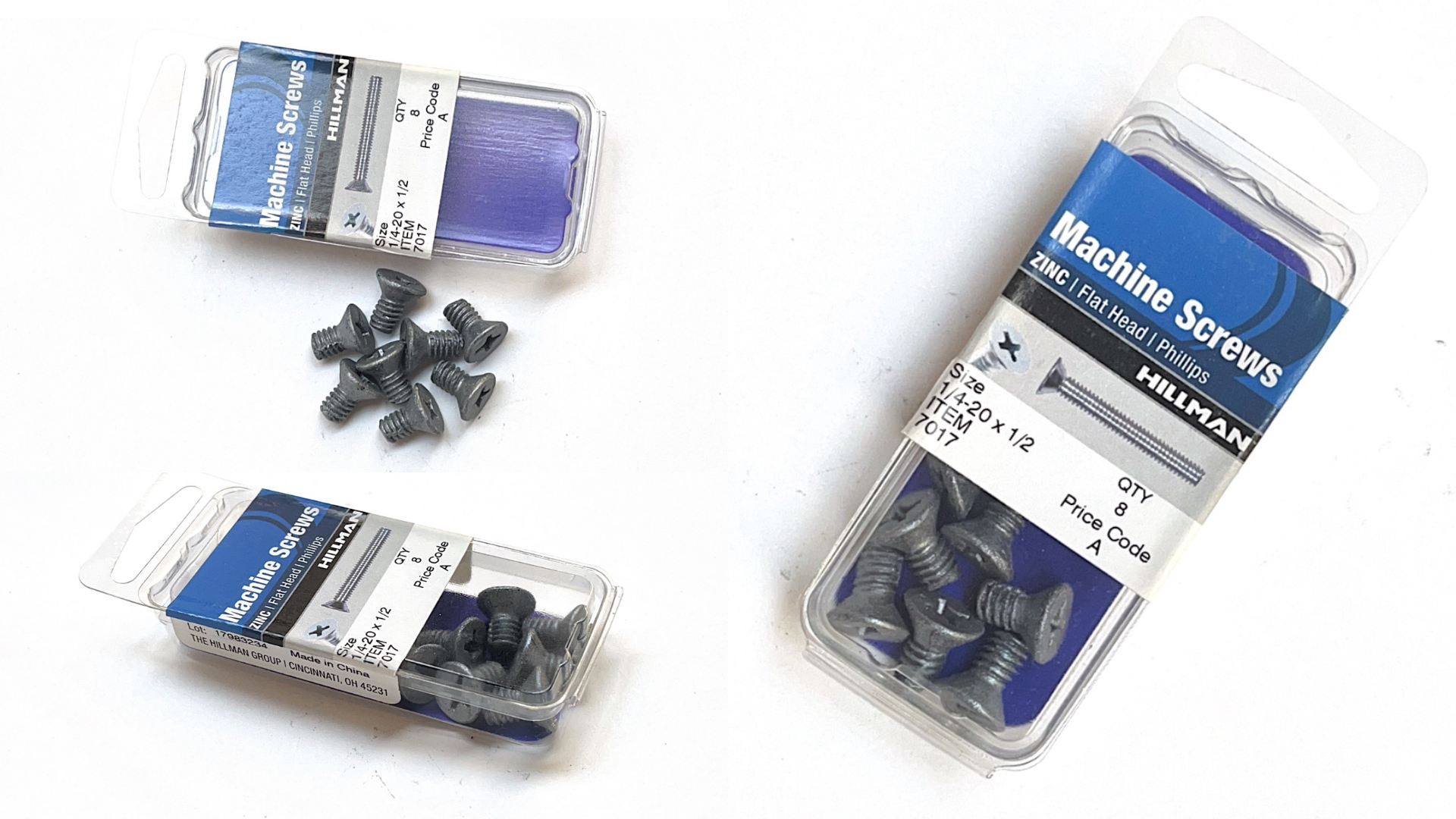
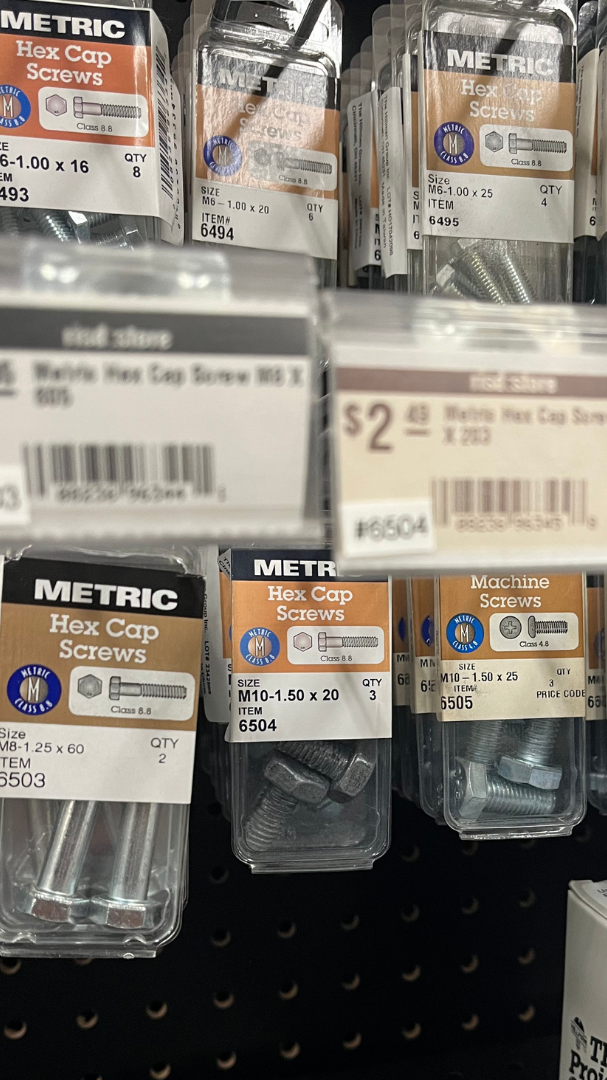
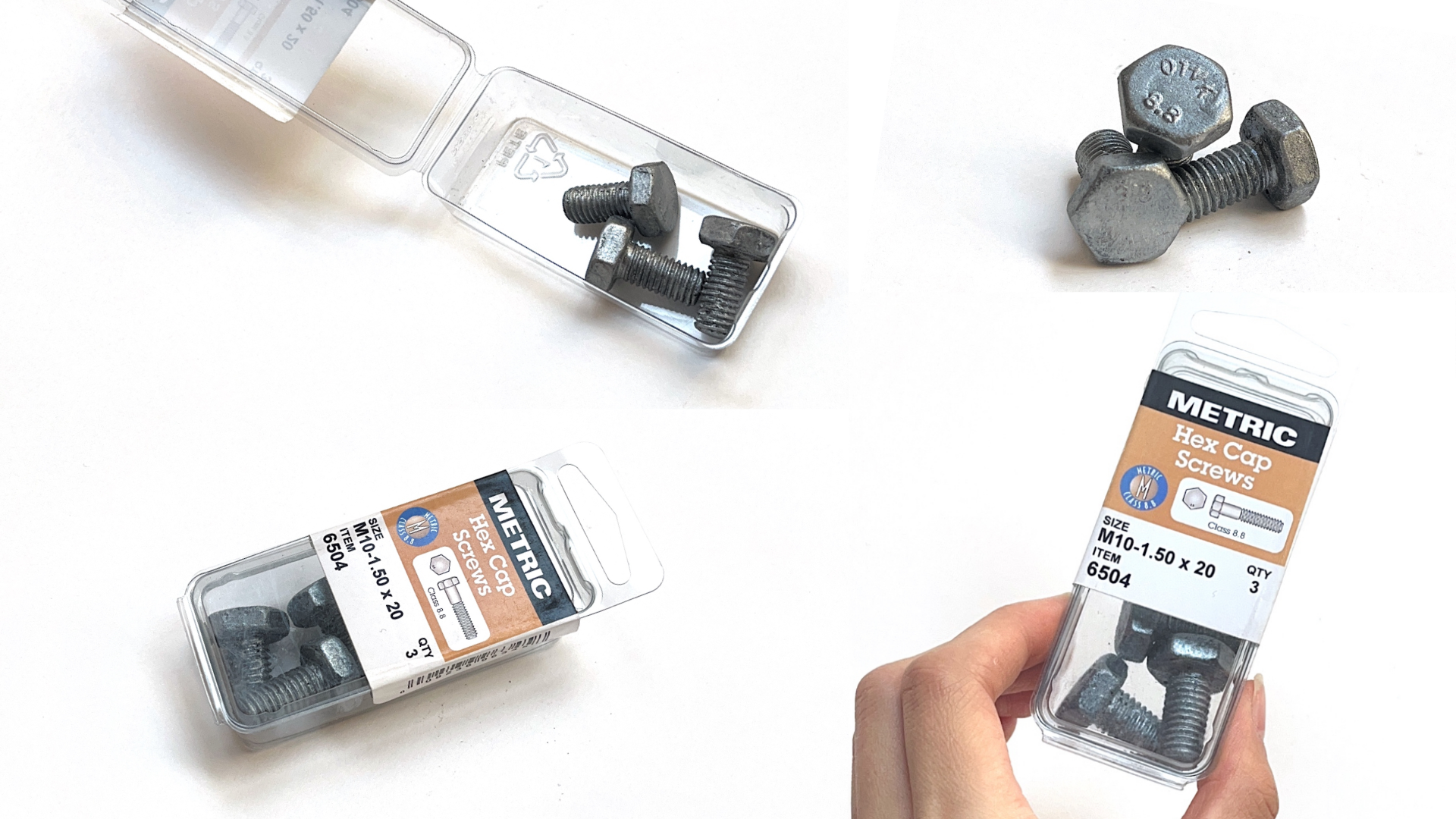
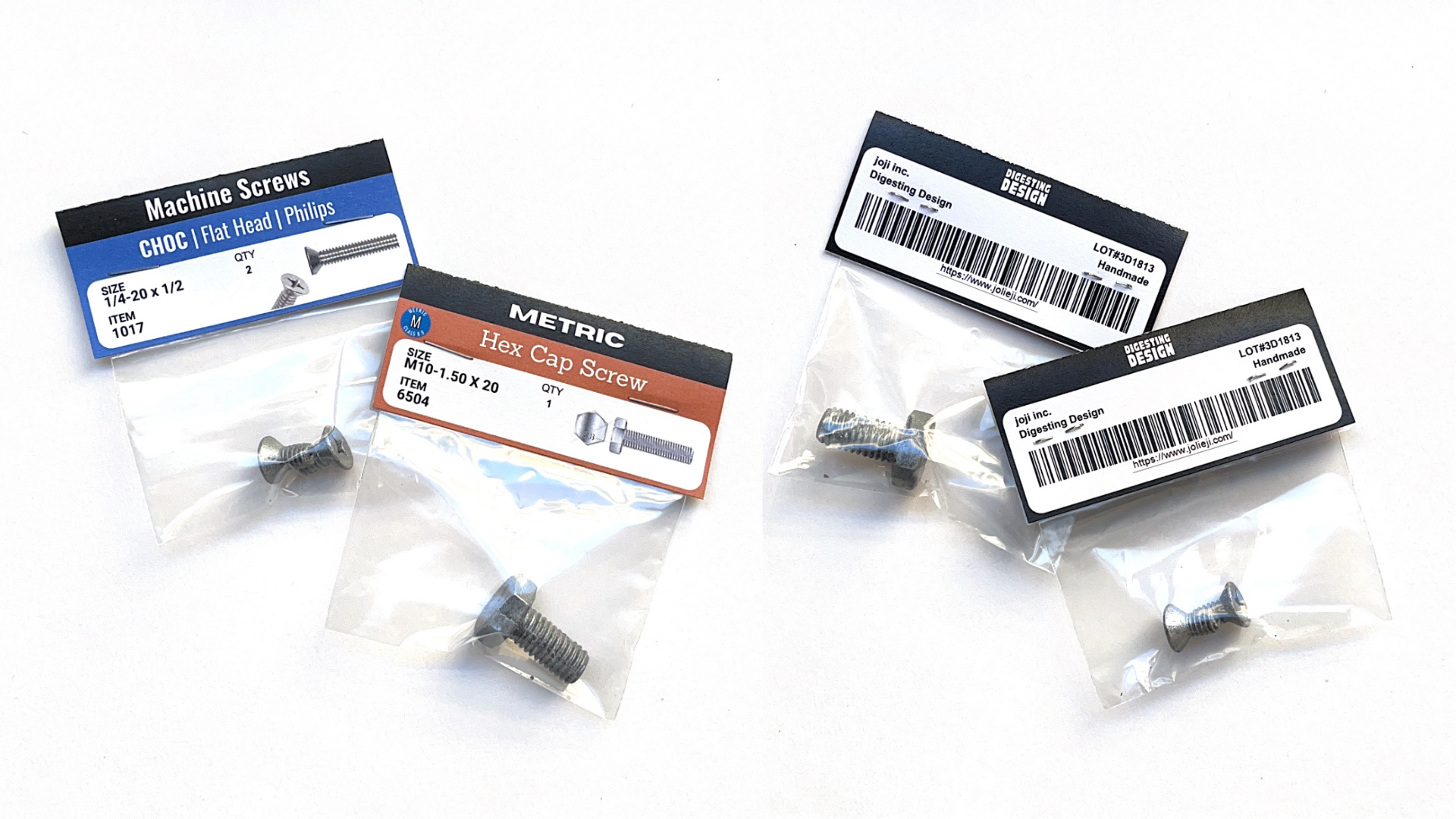
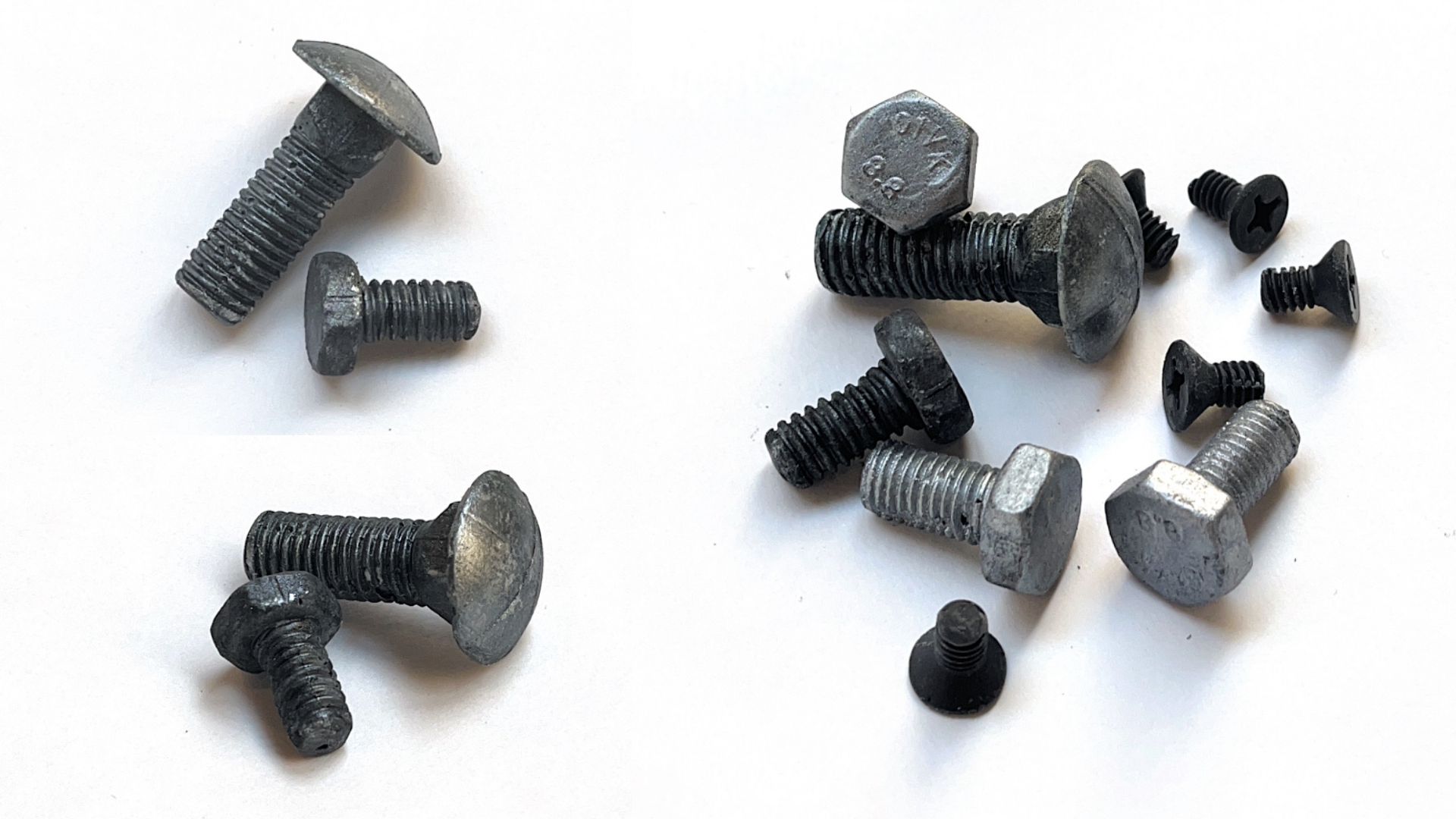
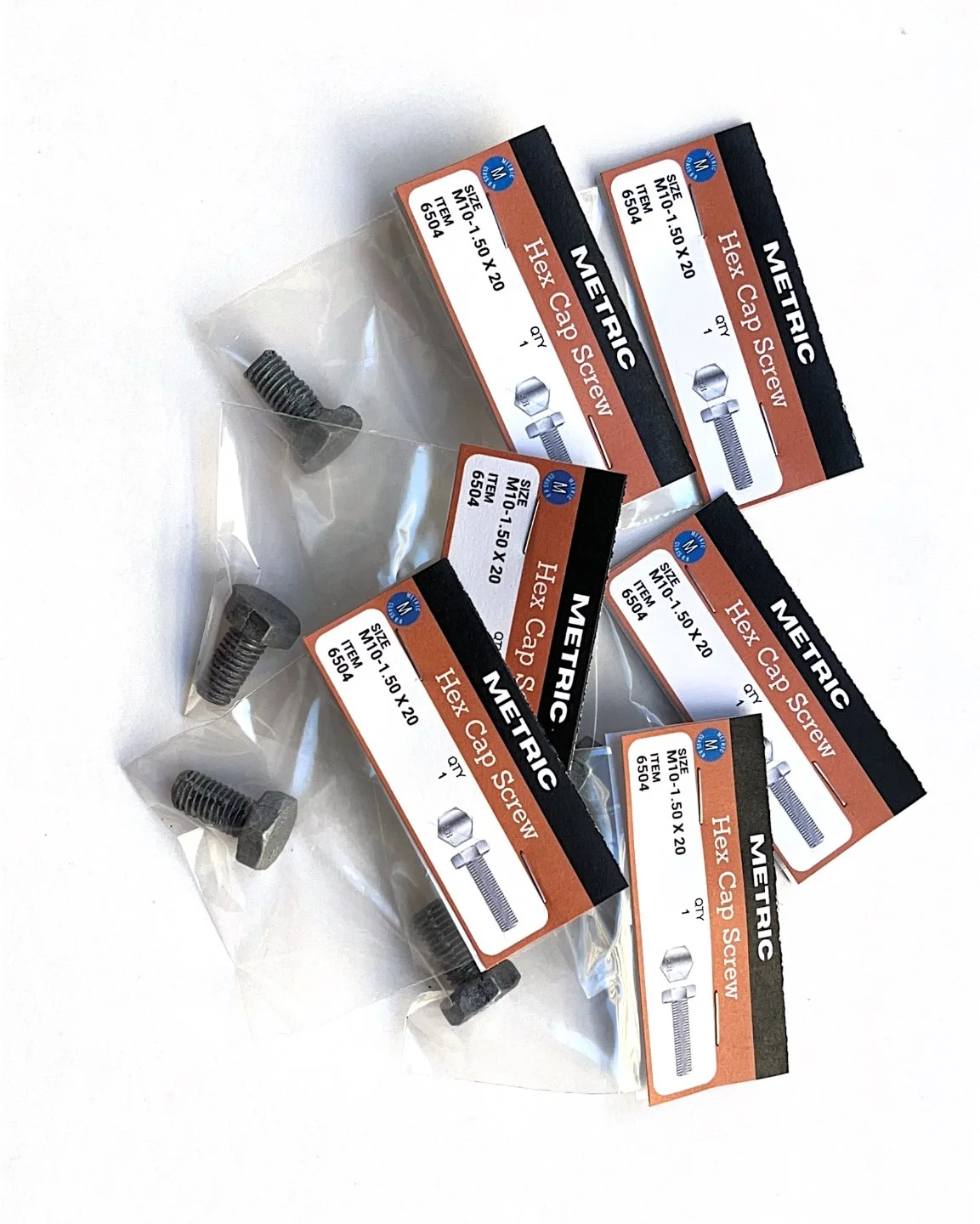
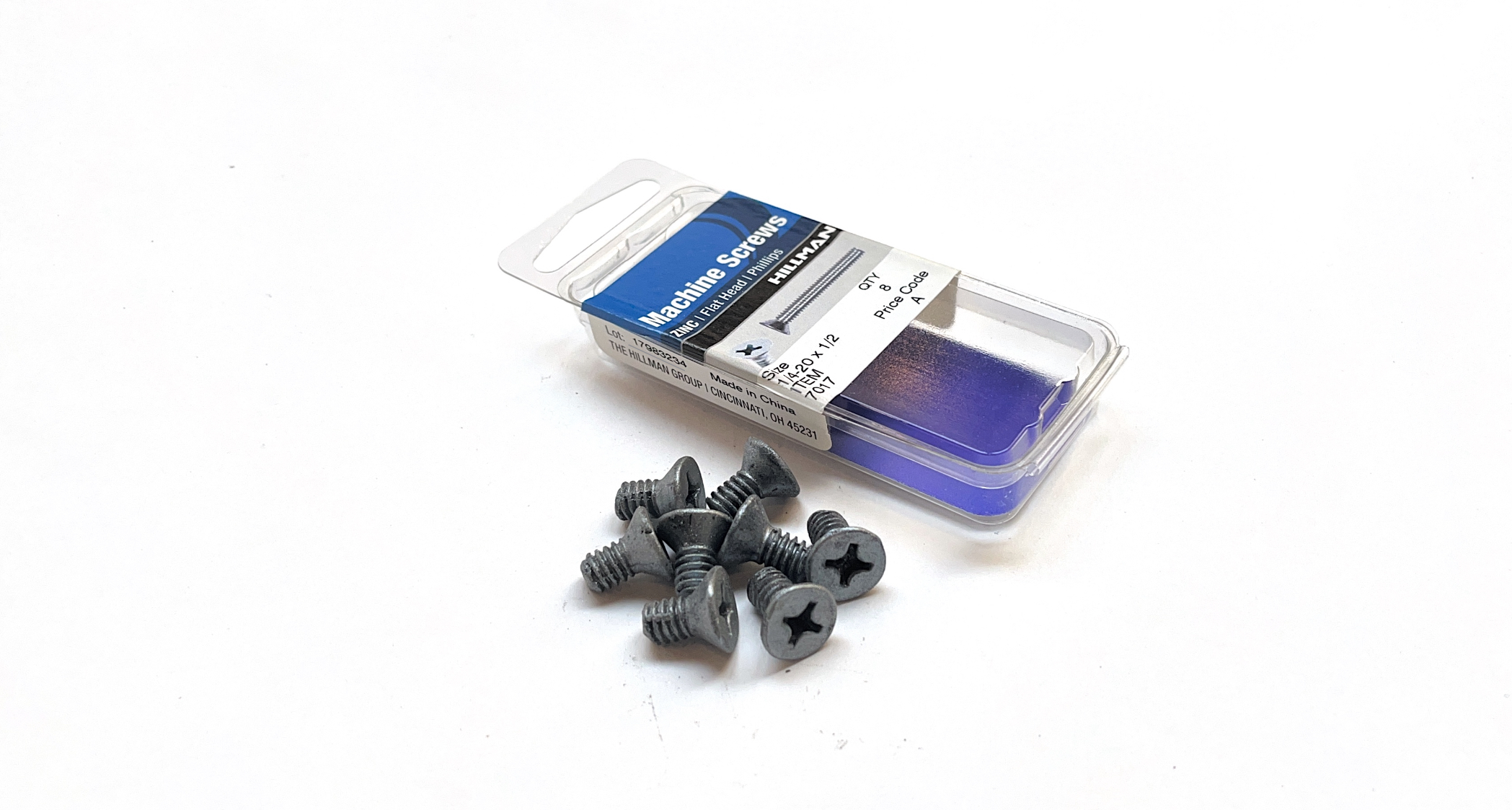
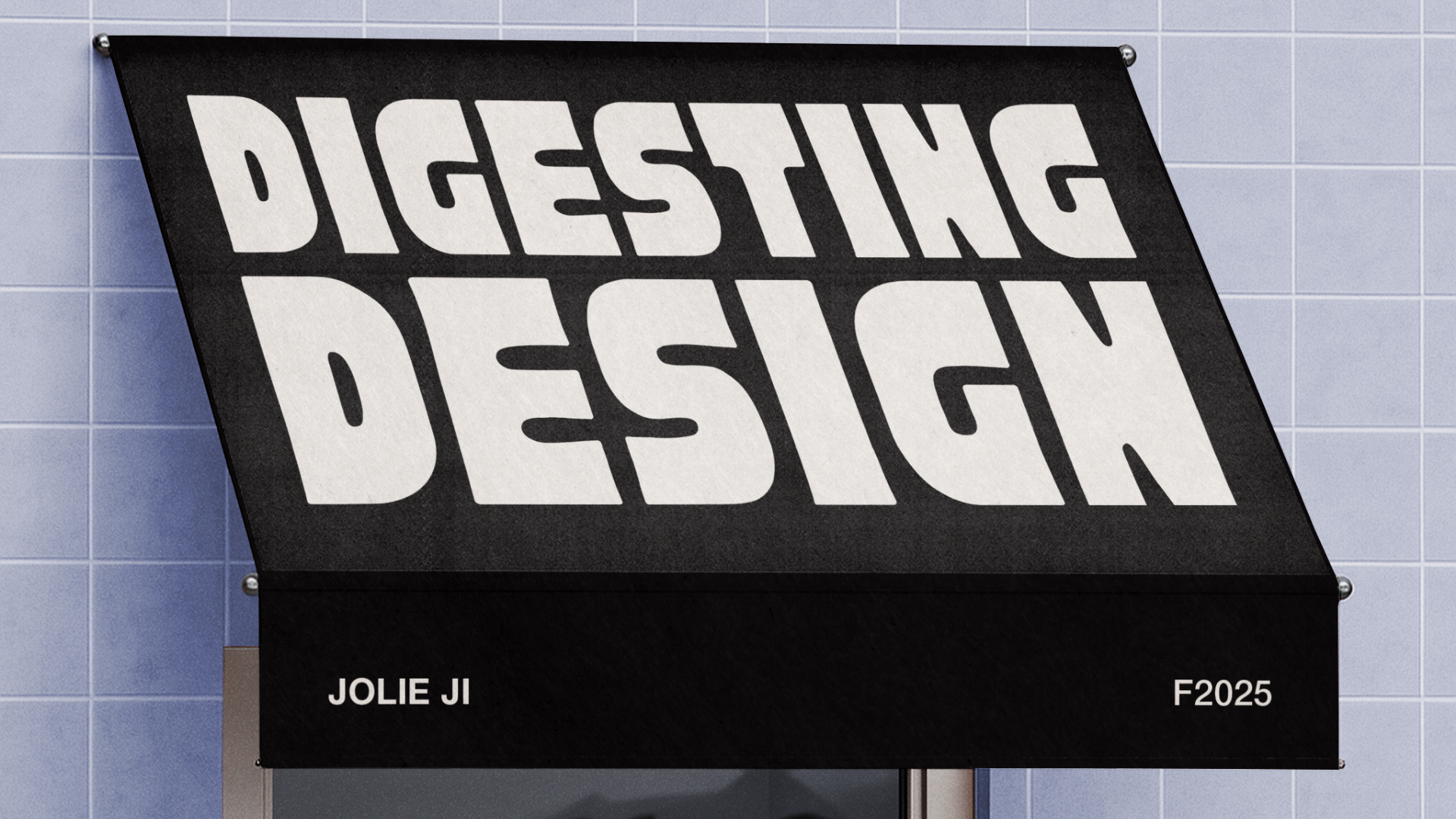
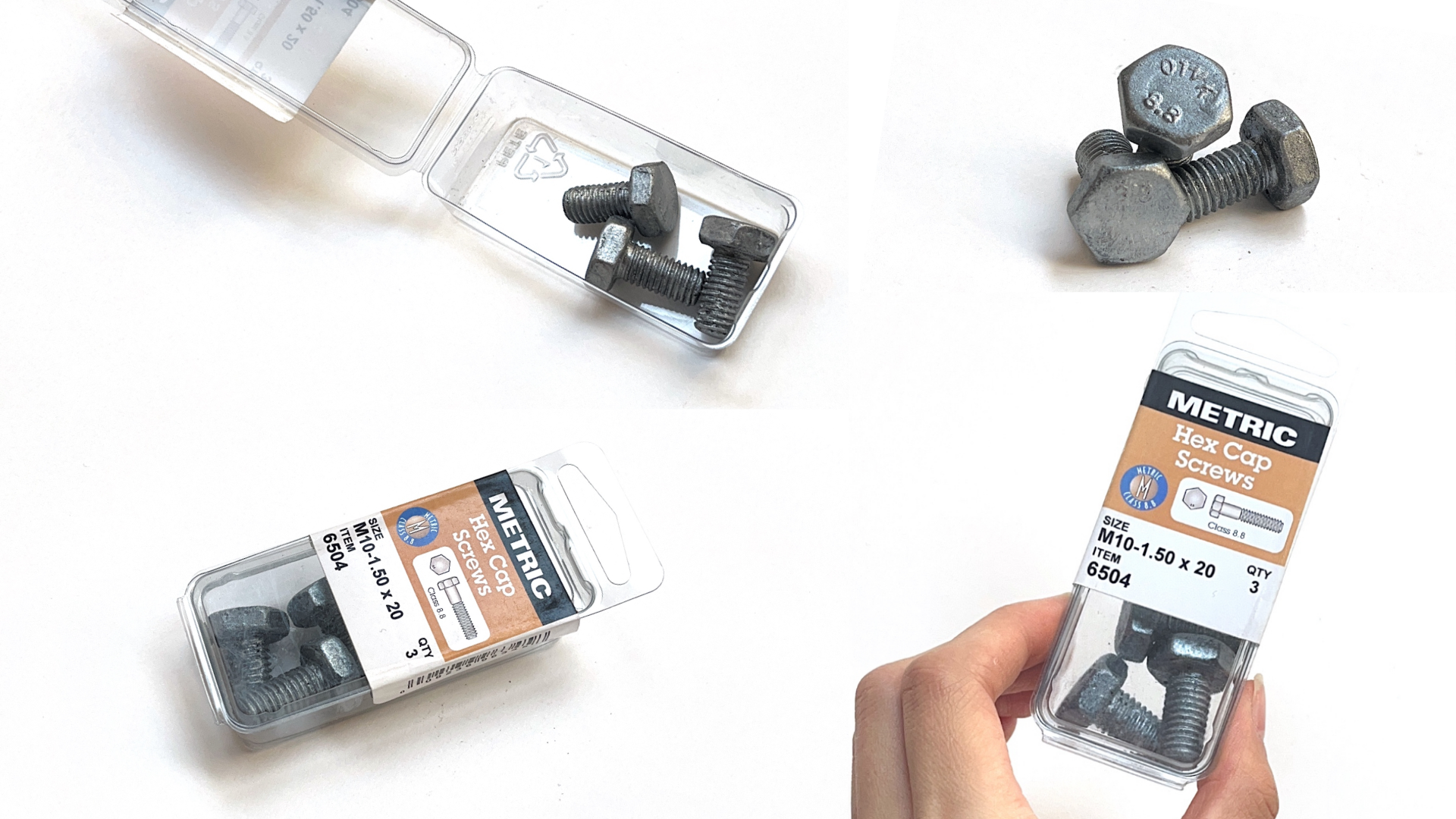
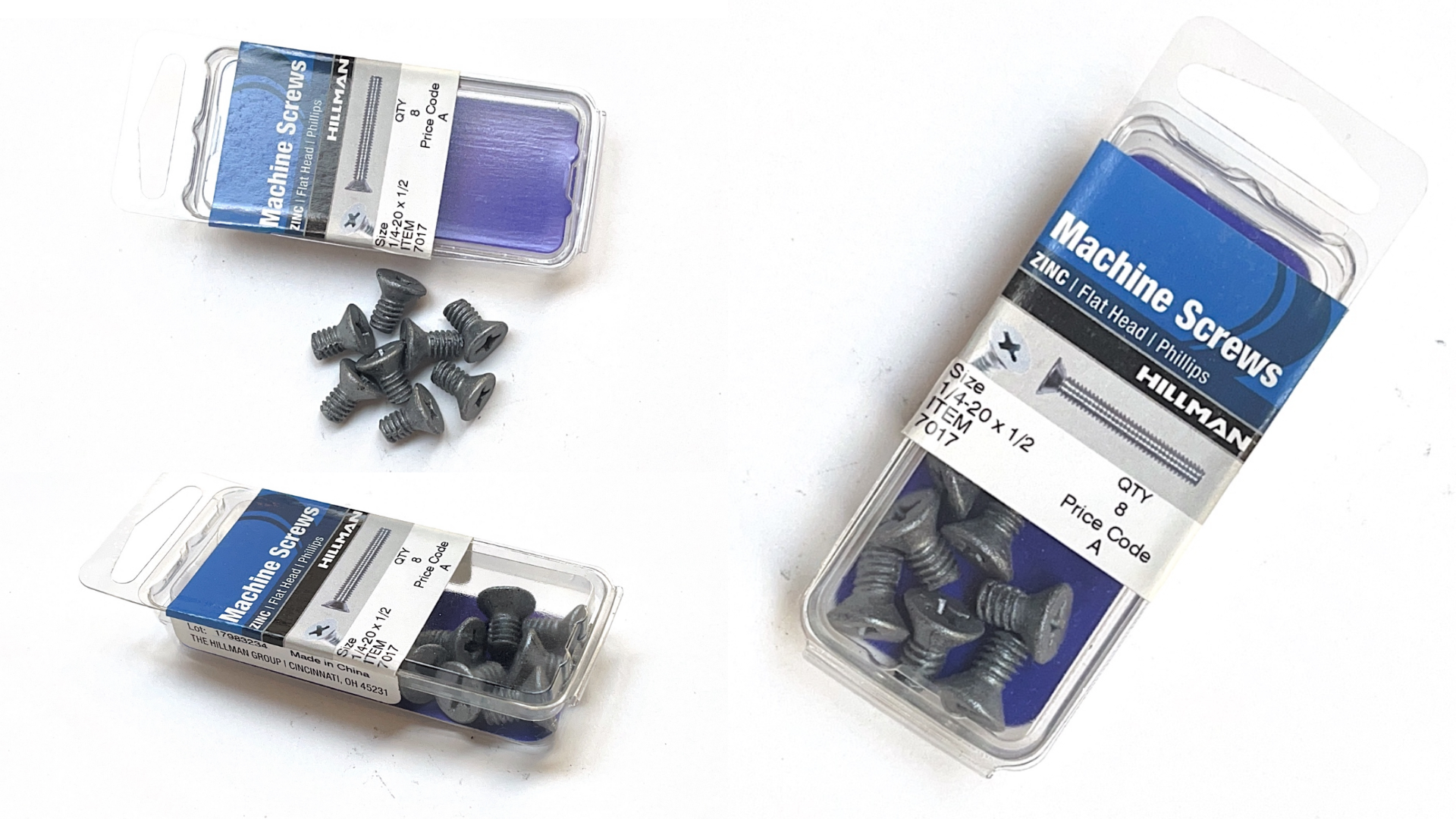
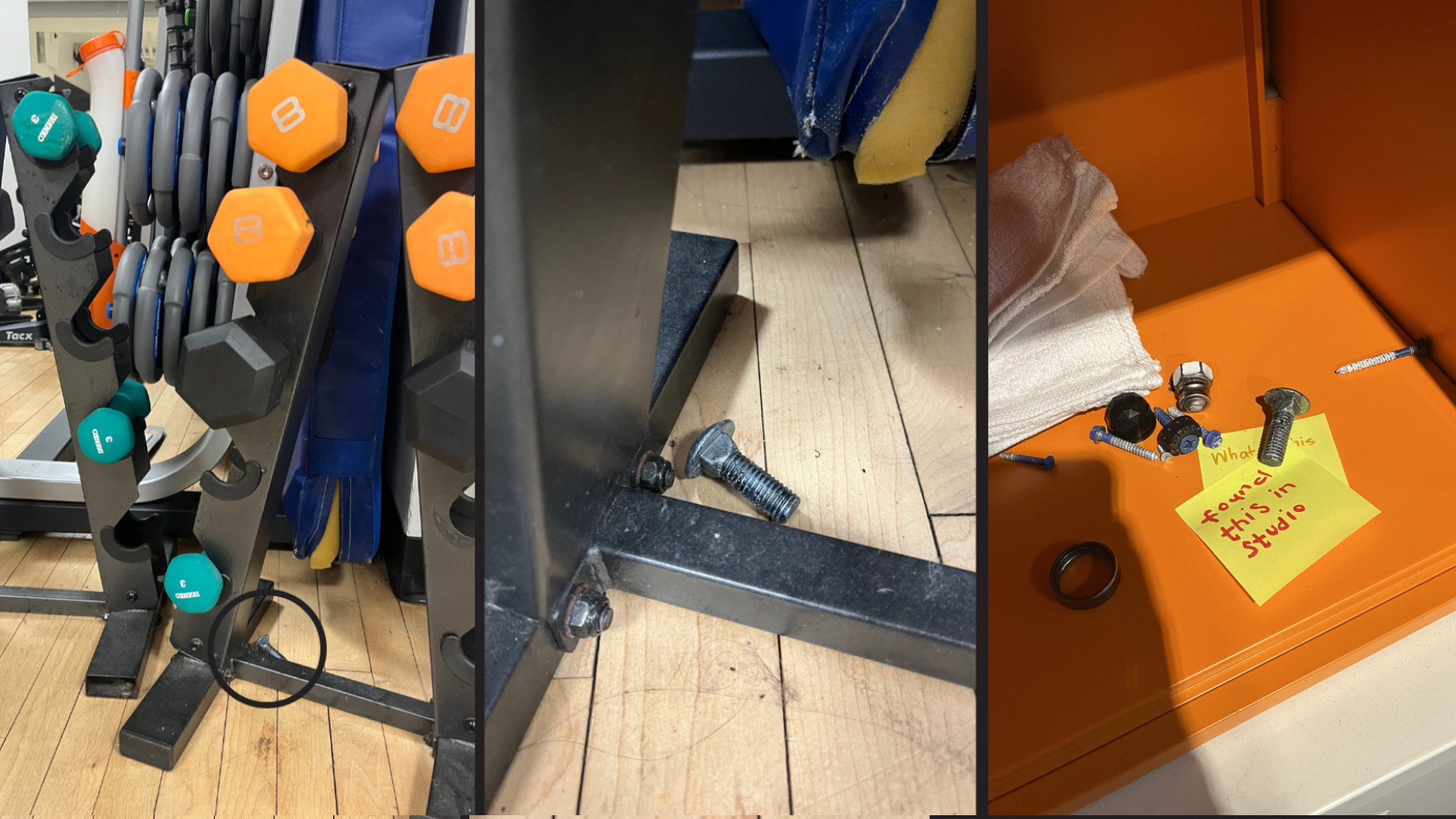
I am a manager at the gym, and we often find loose screws randomly. We have a little cabinet where those screws go and I wanted to test if any of the monitors would think my screw was a real one.
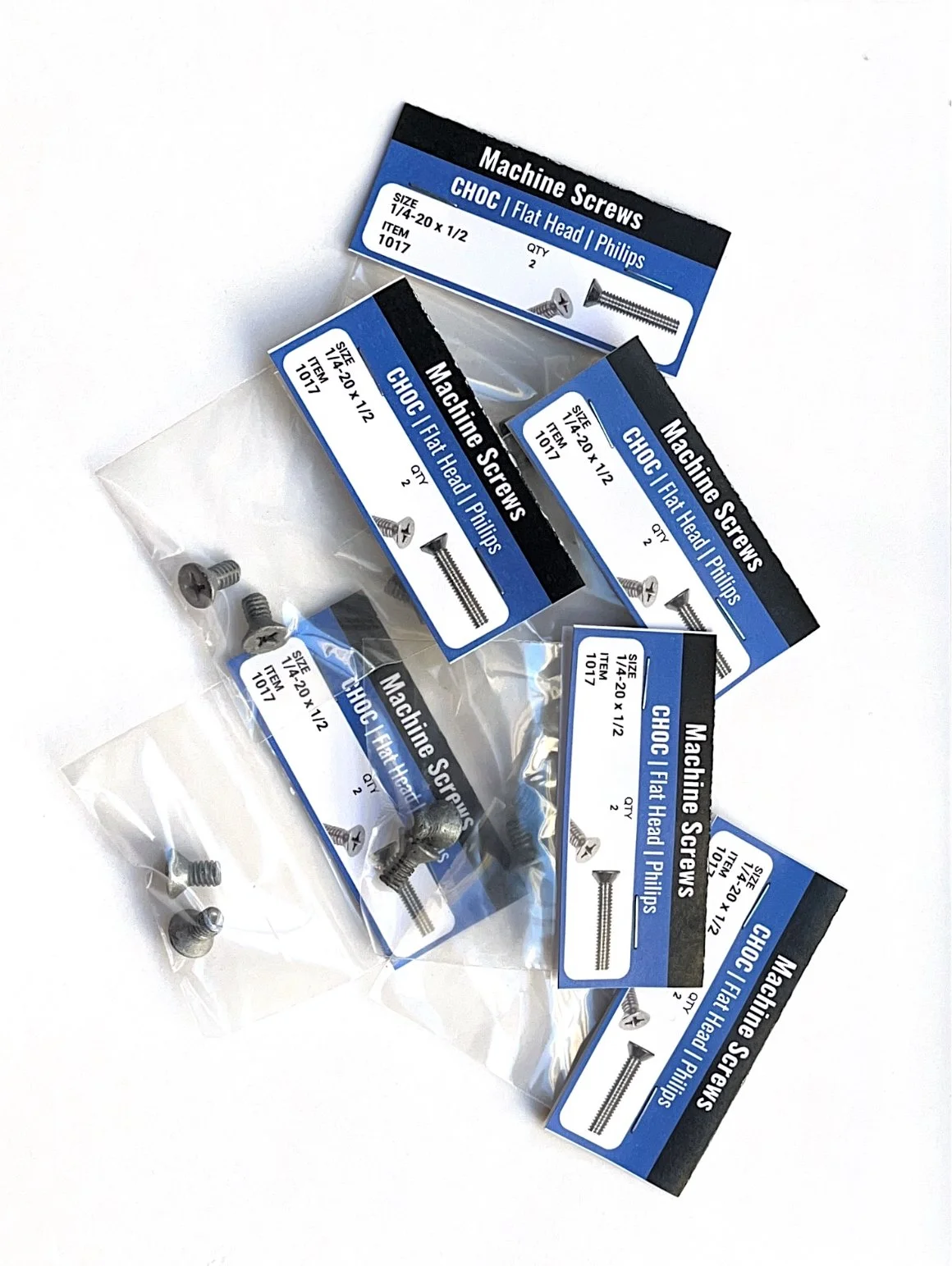
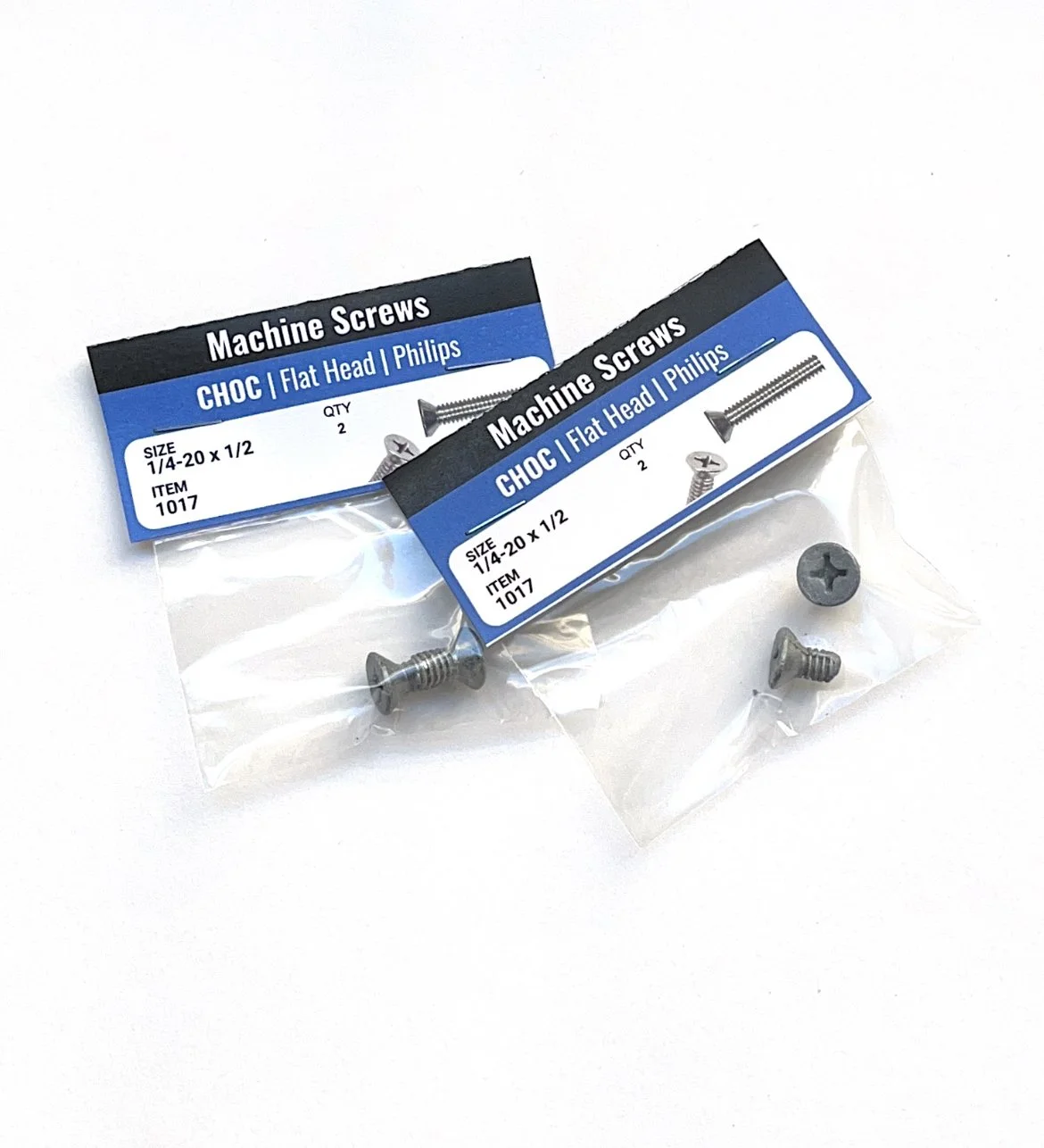
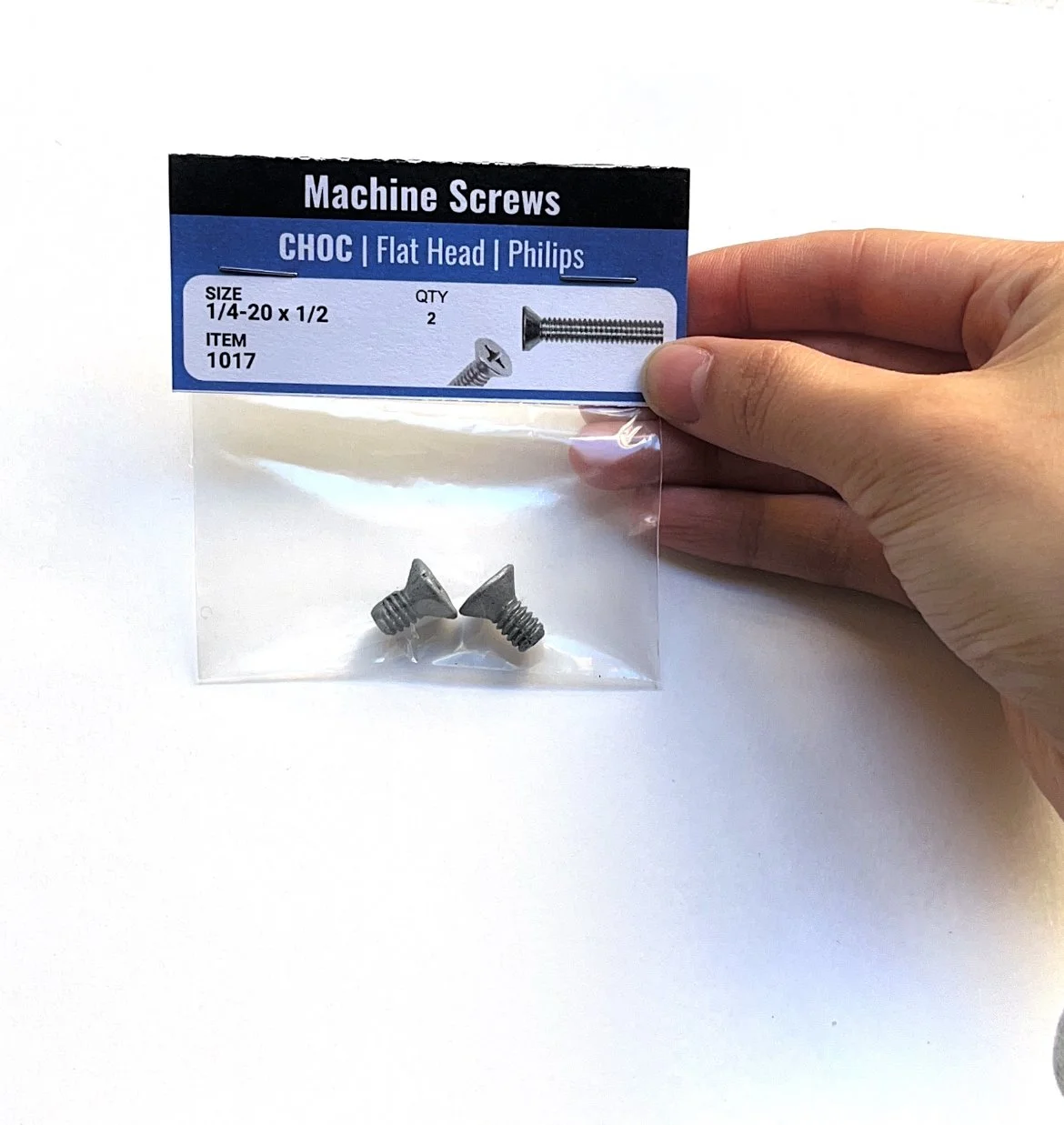
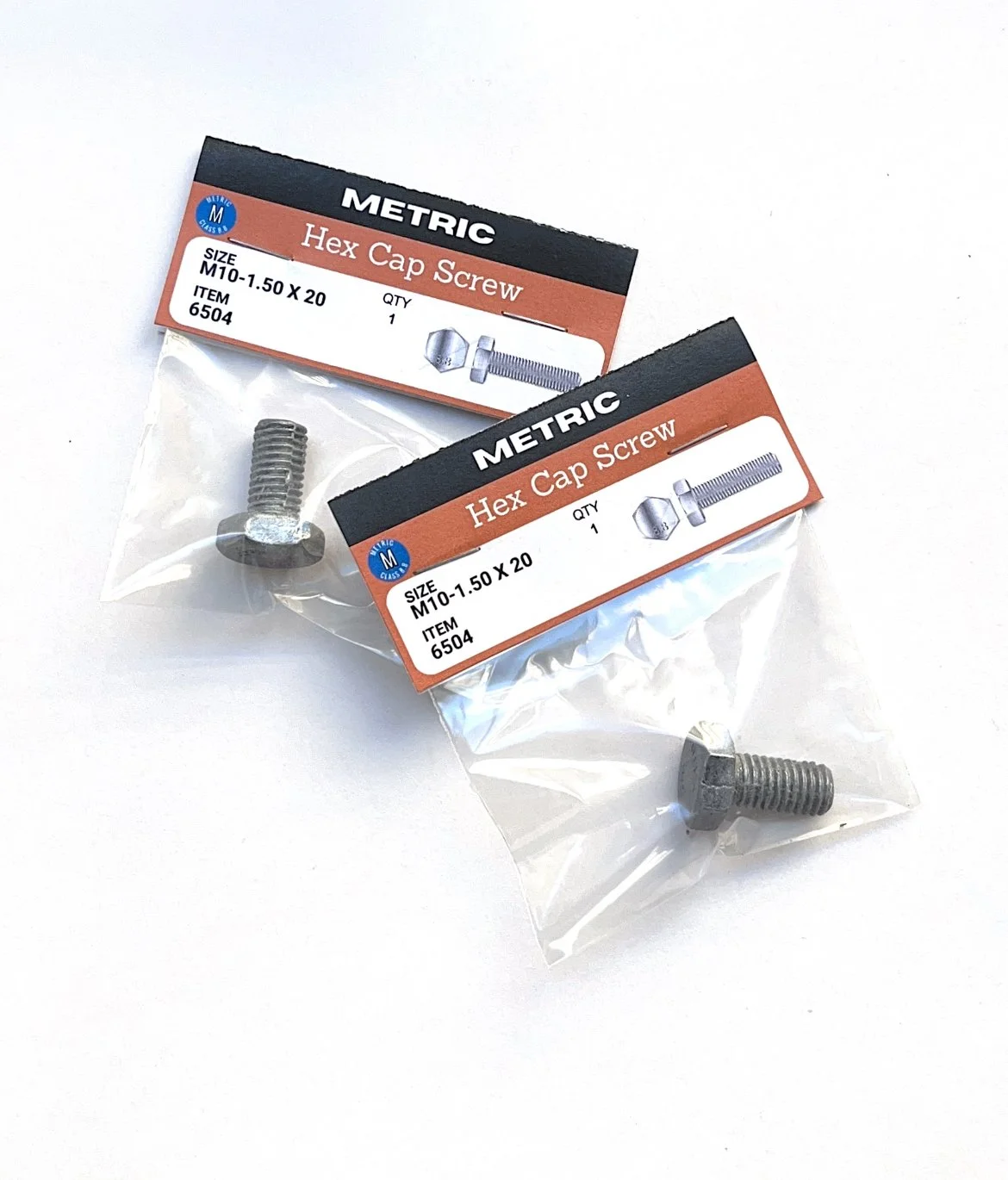
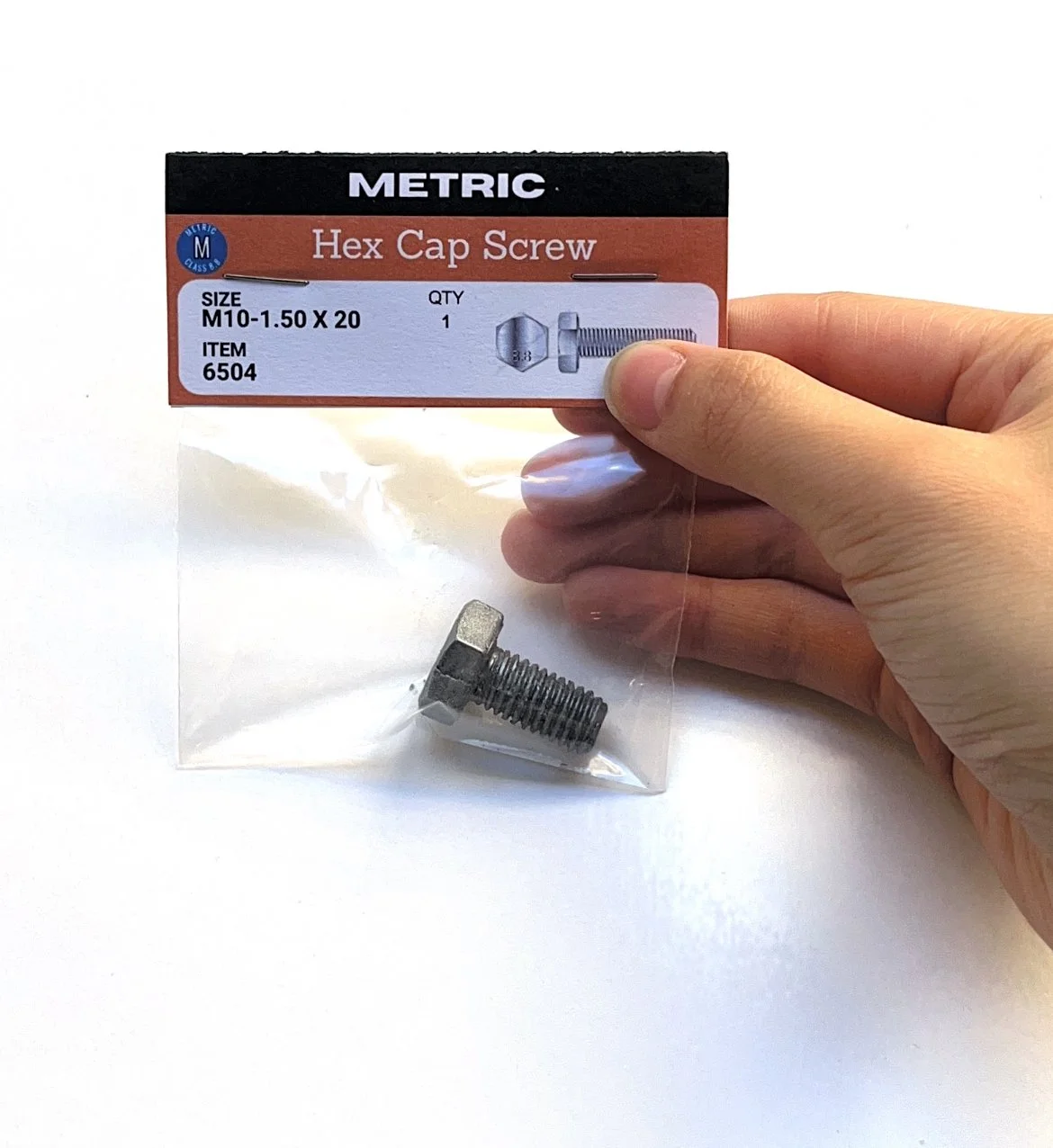
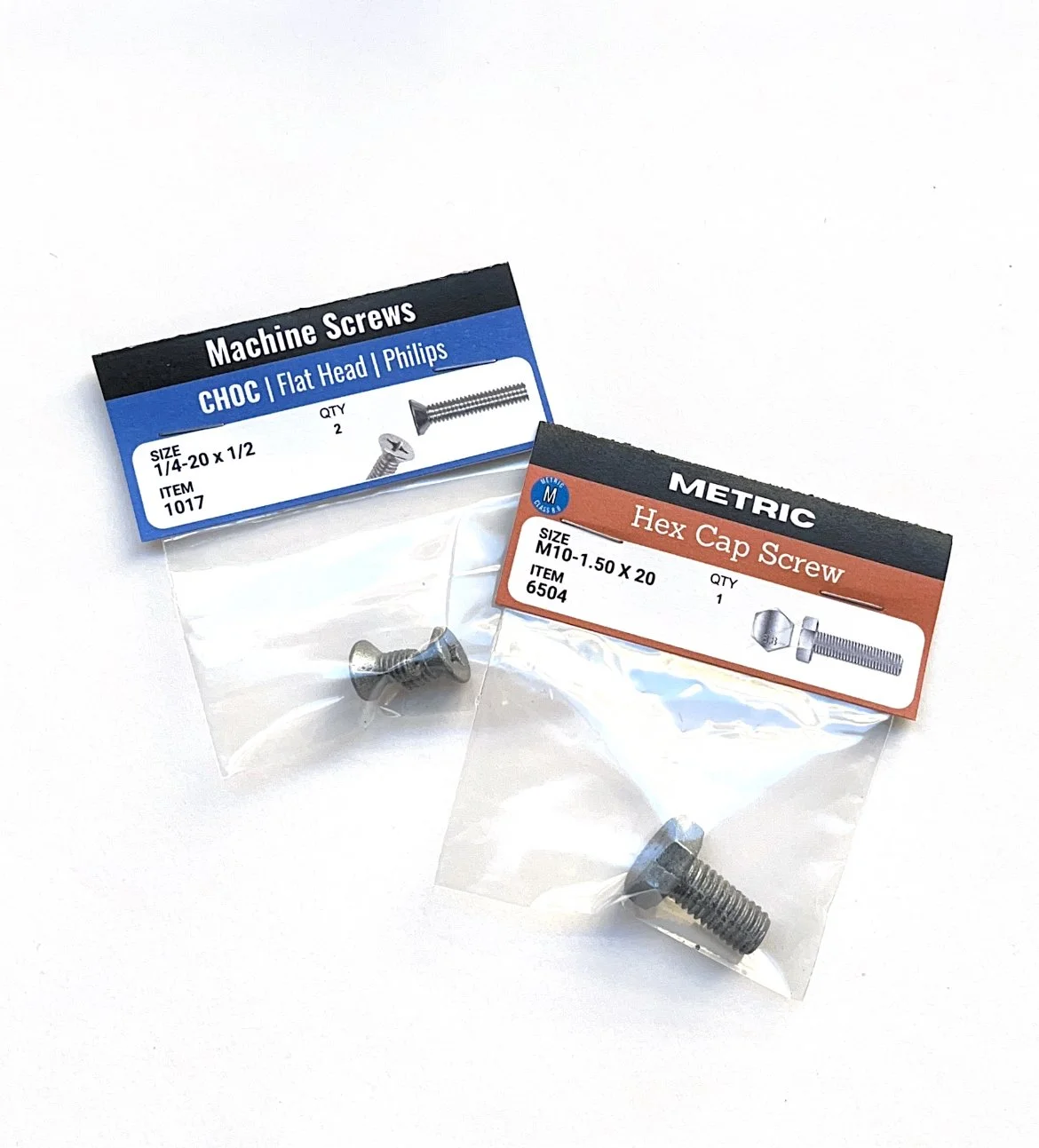
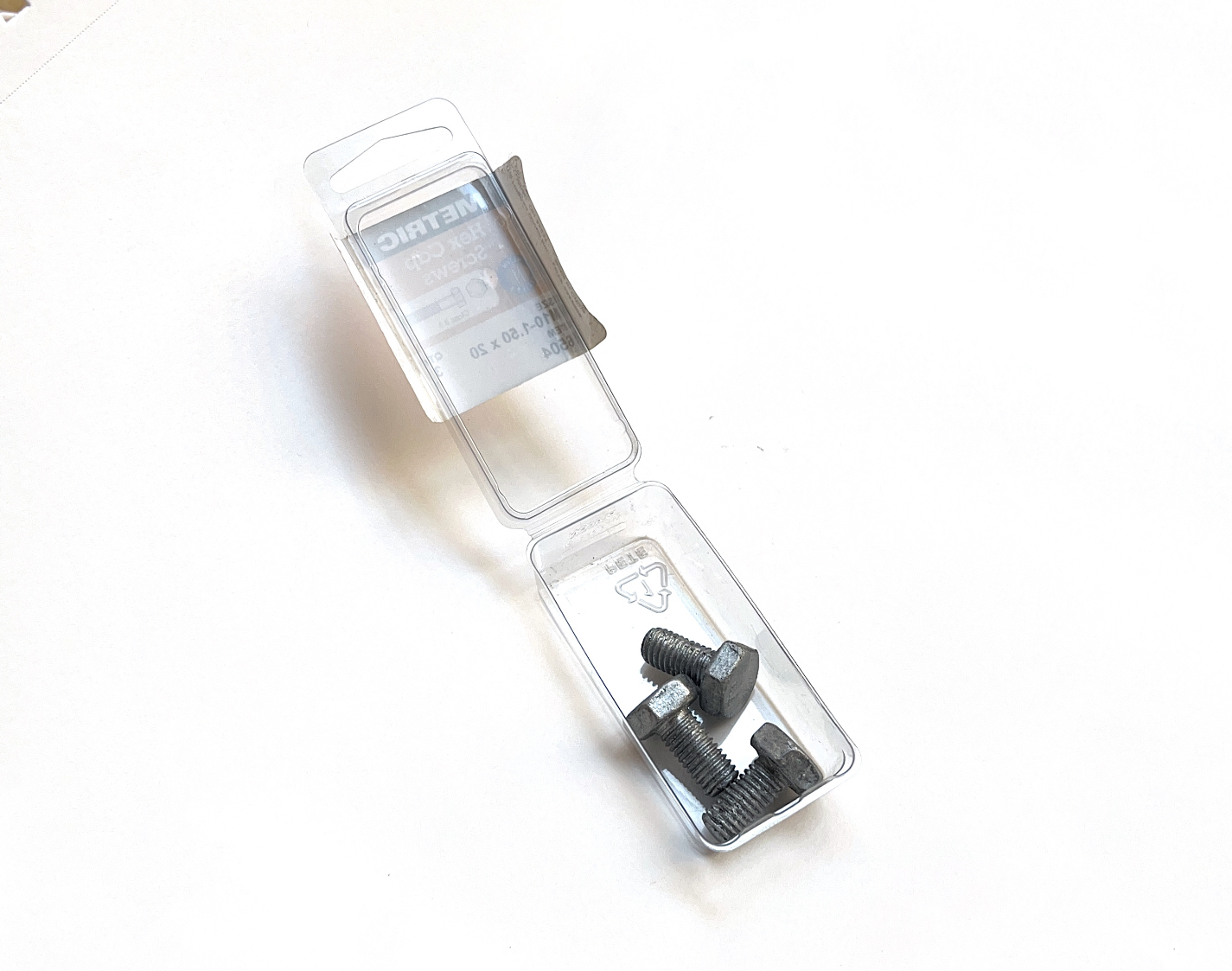
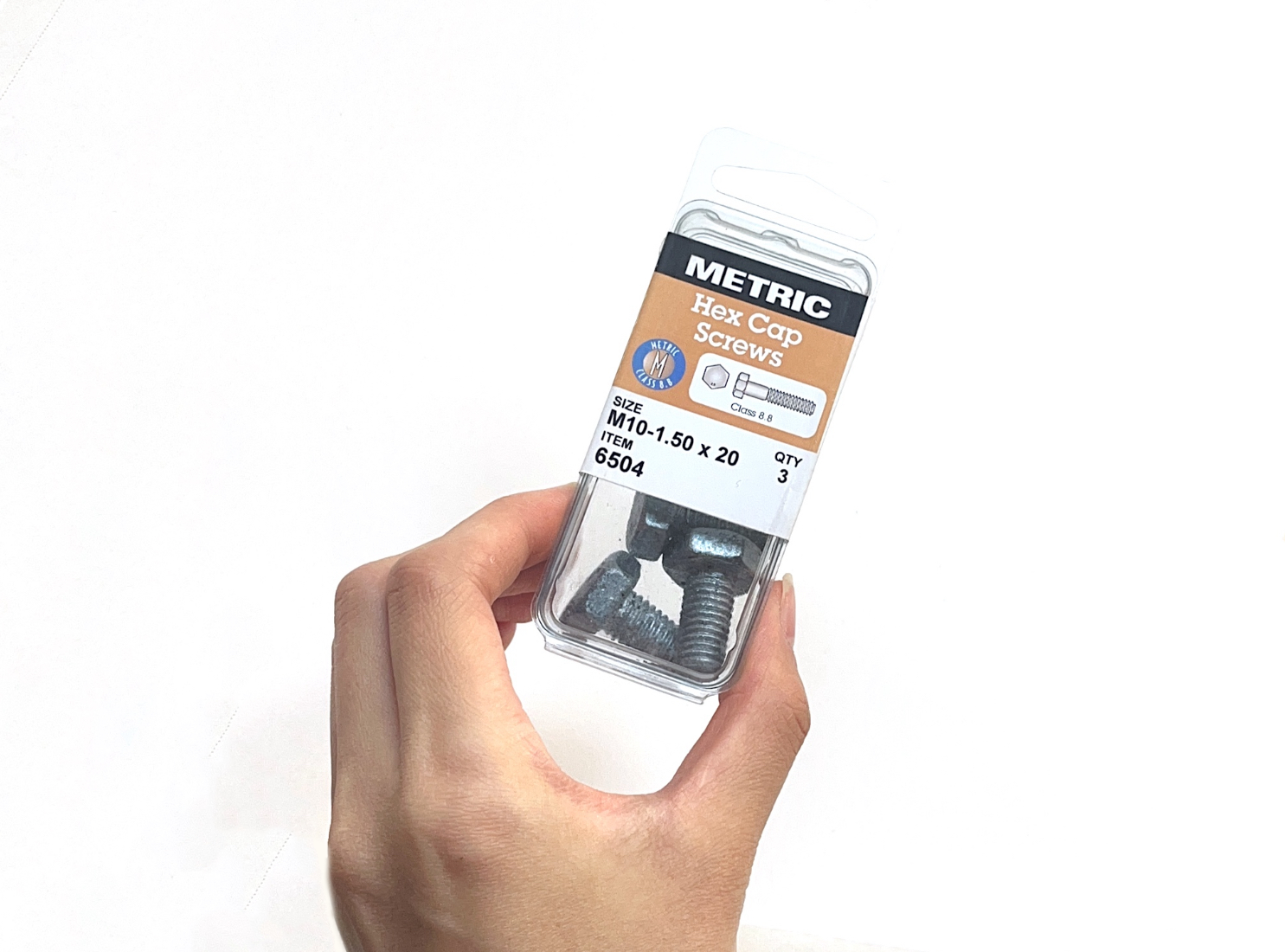
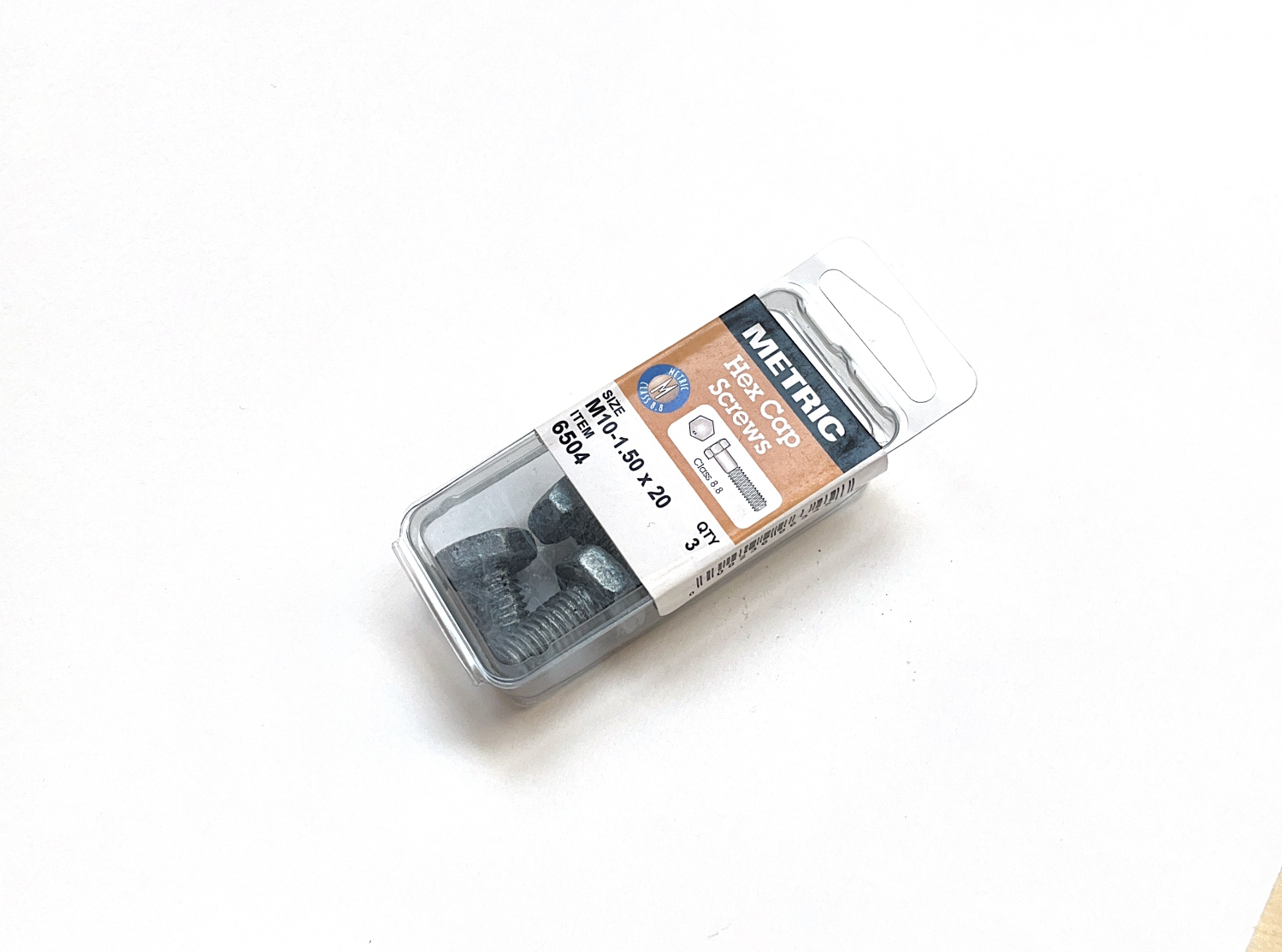
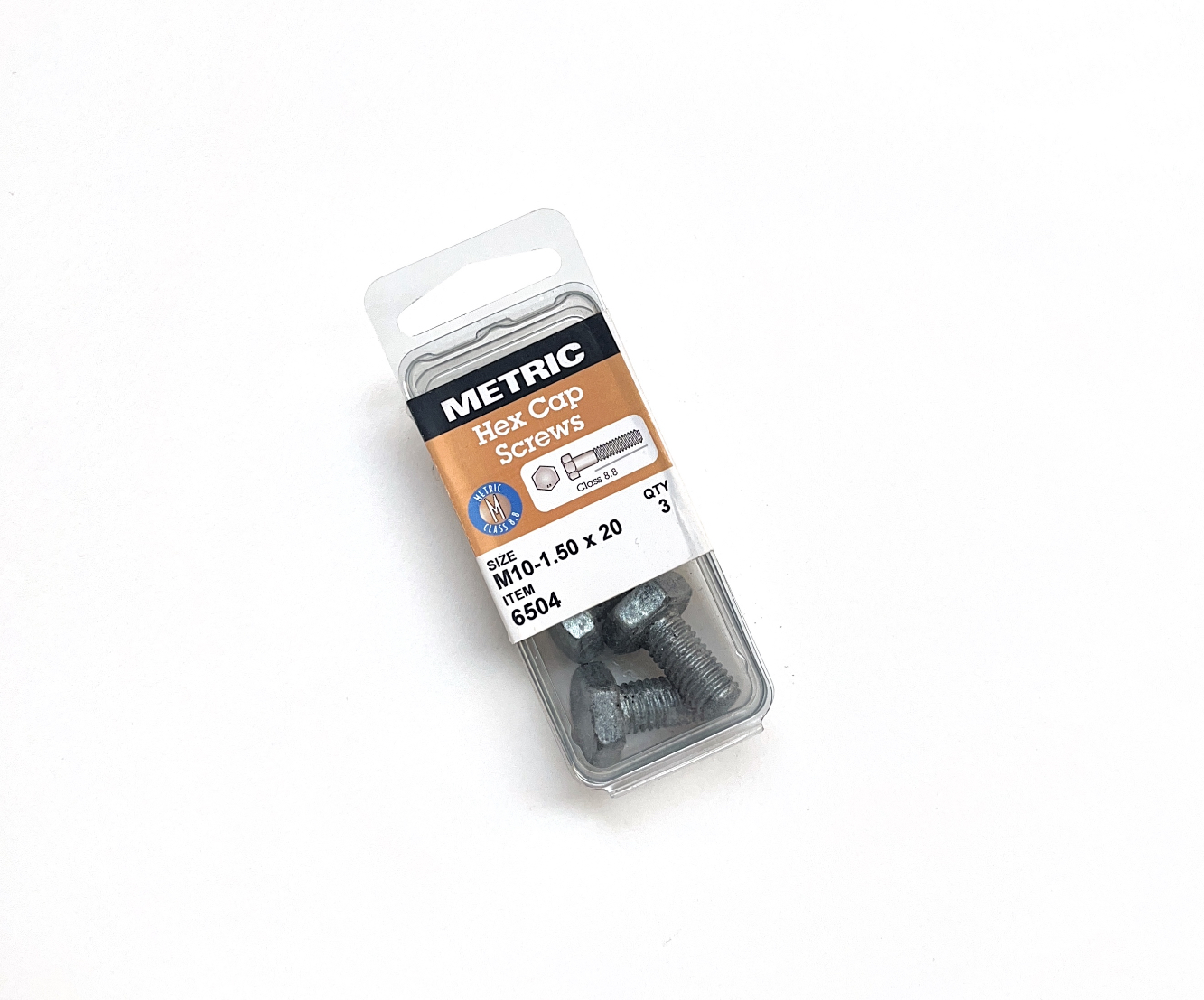
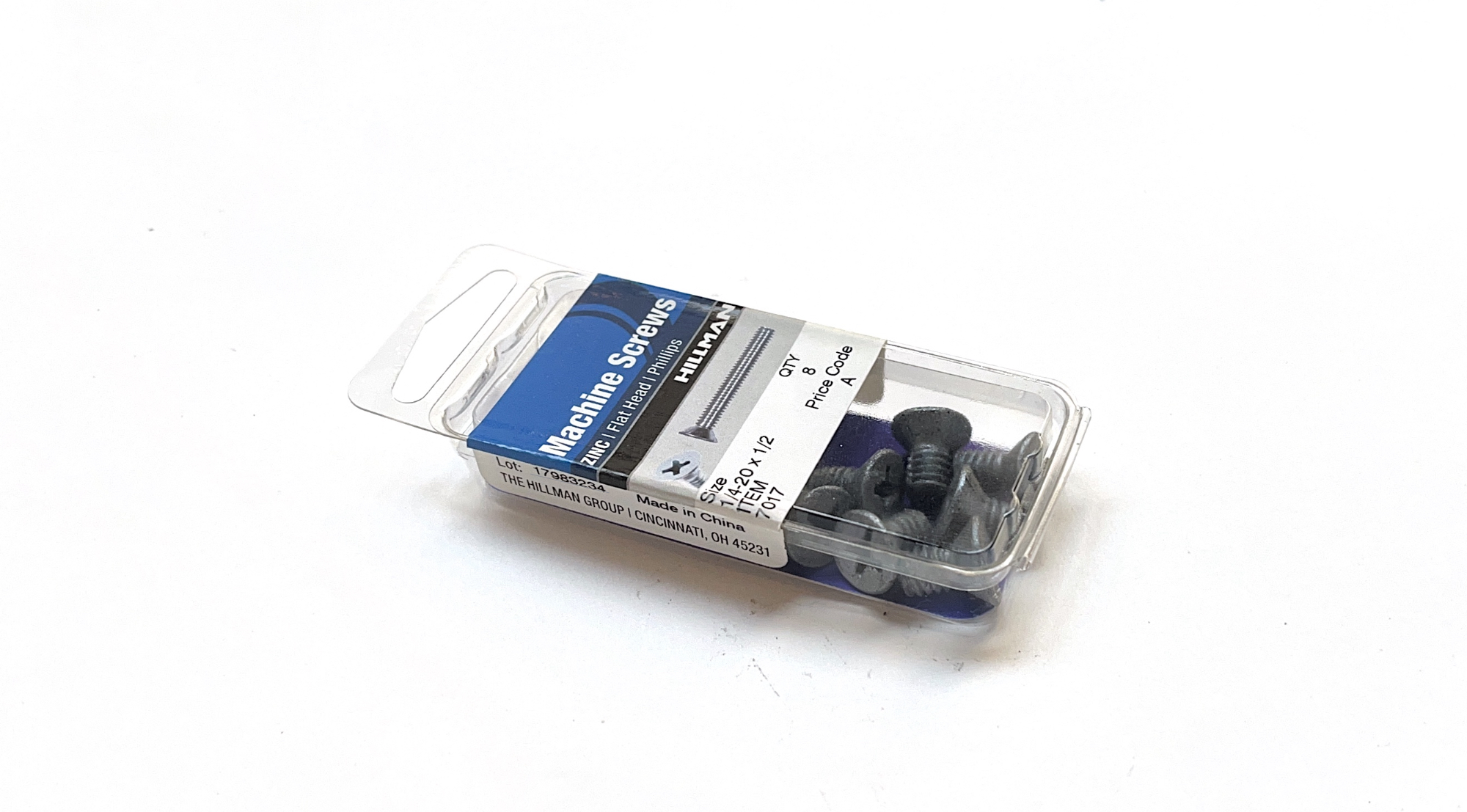
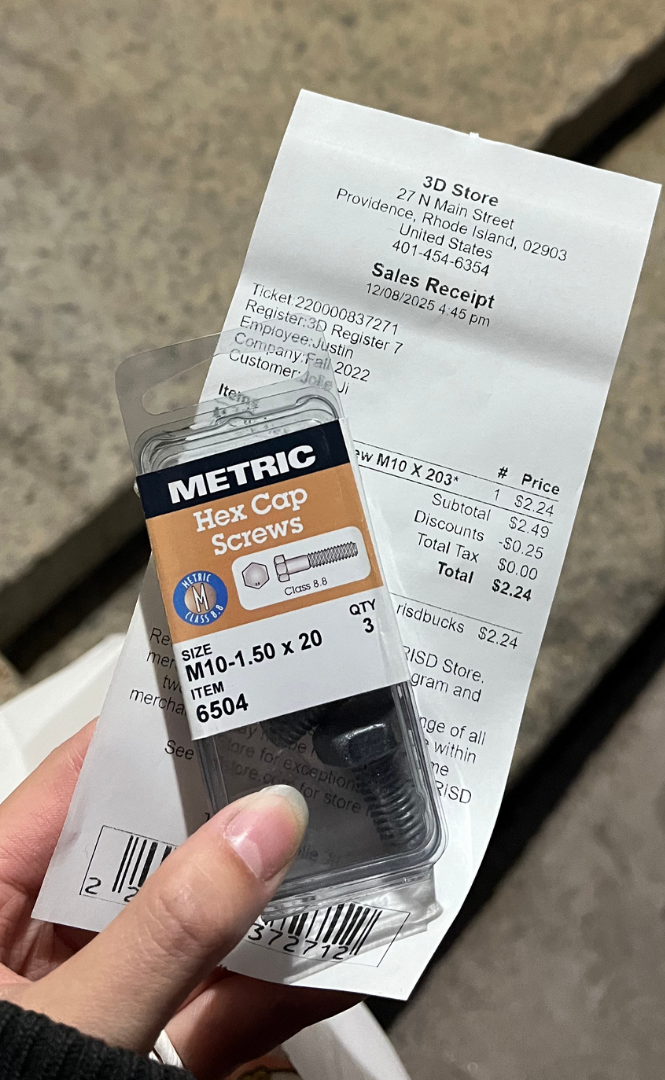
I also tried to buy my own screws from the RISD store. I replaced the original screws with my own (I made casts of the originals) and taped the package back together as if nothing happened. It worked.
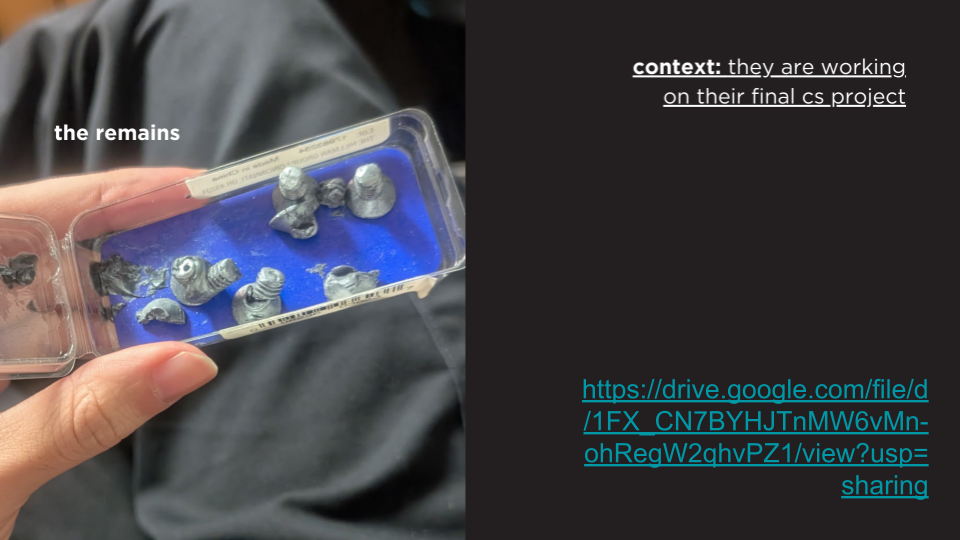
So what happens when you design not just to produce objects, but to heal, taste and let go?
You begin to eat away the fear, find small pockets of joy, and let imperfection become part of the beauty. In the end, you realize the process nourishes you as much as the objects ever could.